2026– date –
-

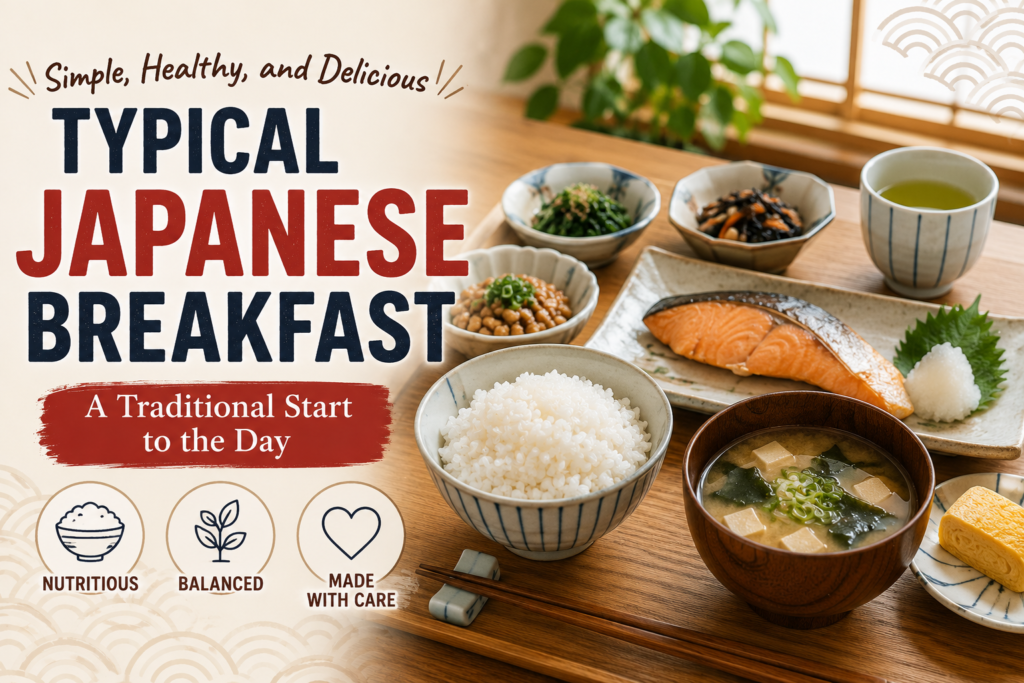
What Is a Typical Japanese Breakfast Really Like?
Learn why the traditional rice-and-fish set is authentic but not universal, and see how time, household routines, and personal preferences shape everyday breakfasts in Japan. -
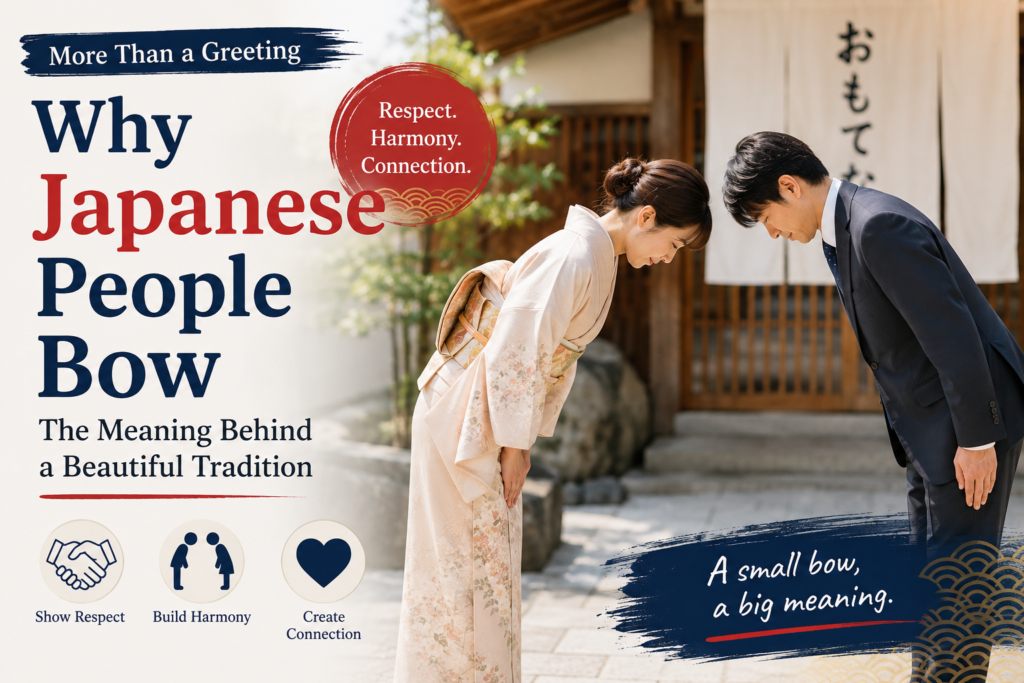
Why Japanese People Bow So Often in Everyday Life
Learn how small, often unconscious bows serve as everyday acknowledgment in Japan, expressing thanks, apology, recognition, or polite closure without the formality visitors may expect. -
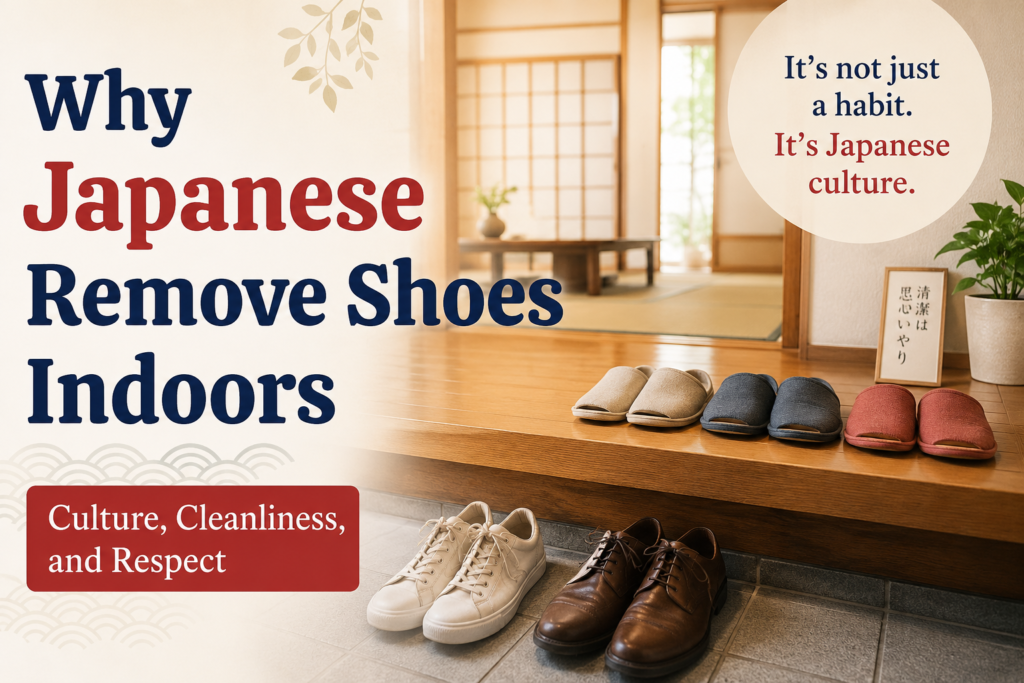
Why People in Japan Take Off Their Shoes Indoors
Learn how the genkan marks the boundary between outside and inside in Japan, why removing shoes is about more than cleanliness, and how to follow shoe etiquette in homes and other venues. -
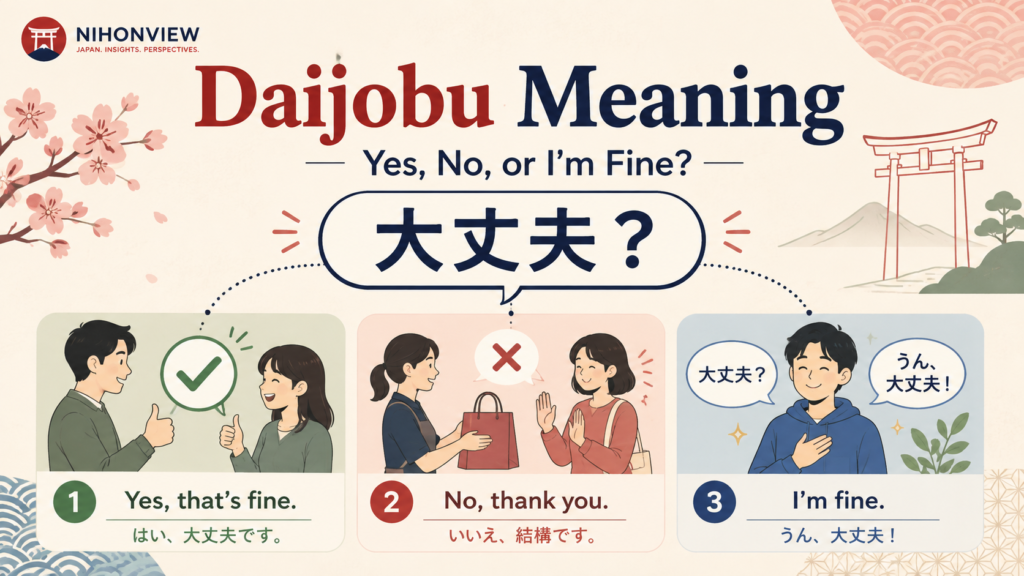
Daijobu Meaning: How It Can Mean Yes, No, or I’m Fine
Learn why daijobu is not inherently yes or no, how context determines its meaning, and when it naturally translates as “I’m fine,” “that’s okay,” or “no, thank you.” -
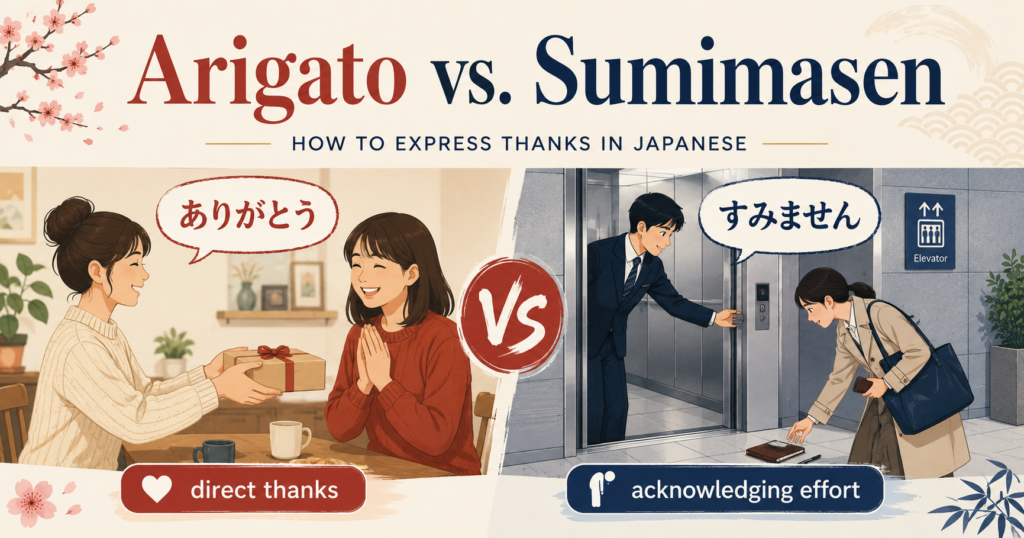
Arigato vs. Sumimasen: How to Express Thanks
Learn when Japanese speakers use arigato, sumimasen, or both to express gratitude, and how social distance, politeness, and the effort involved shape what sounds natural. -
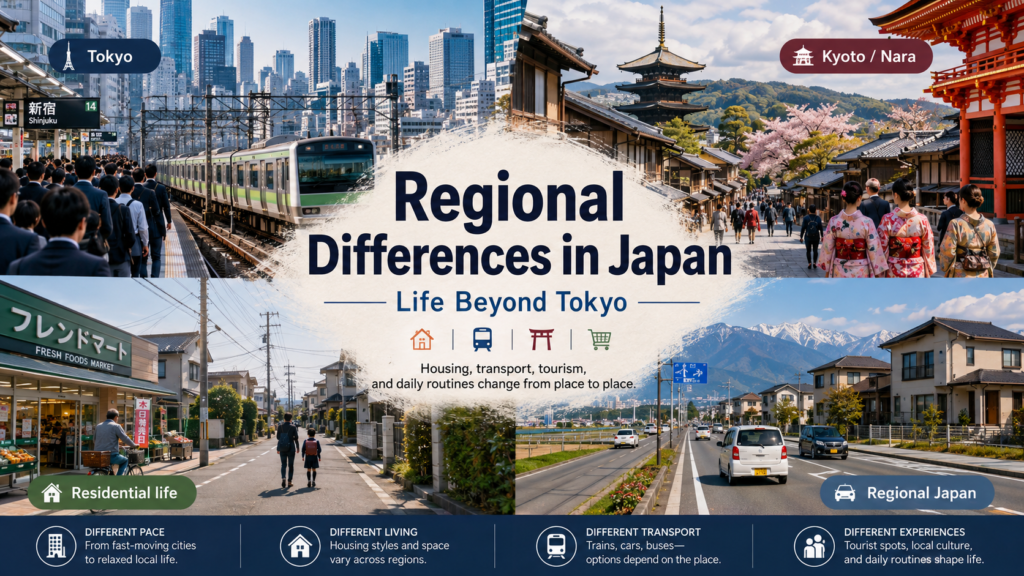
Regional Differences in Japan: Life Beyond Tokyo
Explore how housing, transportation, social distance, and tourism shape everyday life across Japan through personal experiences in Nara, Kyoto, and Ishikawa—not simplistic regional stereotypes. -
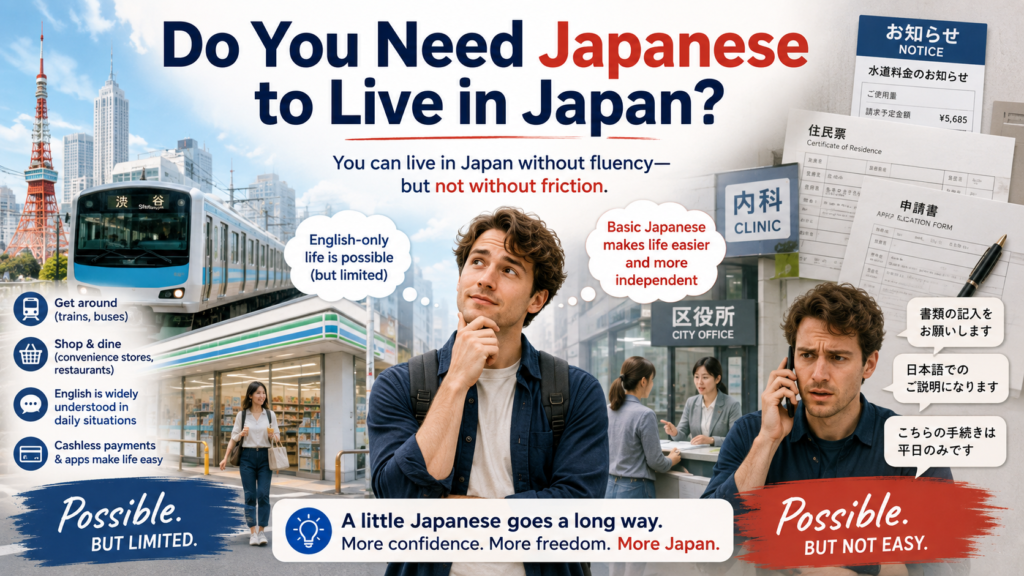
Do You Need Japanese to Live in Japan? A Practical Guide
Learn how far English can take you in Japan, where language barriers create problems, and which practical Japanese skills can make daily life smoother and more independent. -
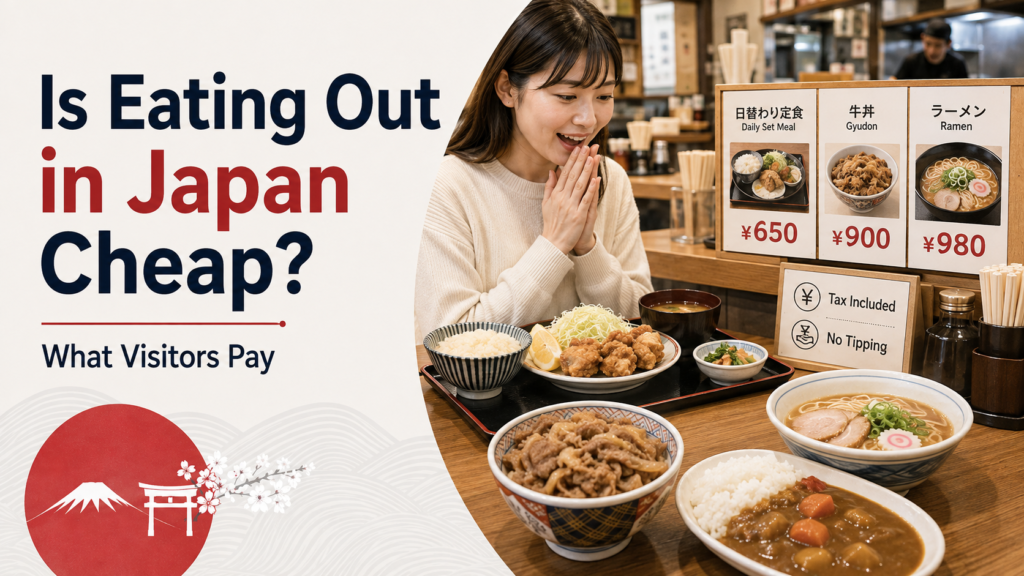
Is Eating Out in Japan Cheap? What Visitors Pay
See why casual meals and lunches in Japan often feel affordable to US visitors, how tax-inclusive prices and no customary tipping shape the final bill, and which extras can increase costs. -
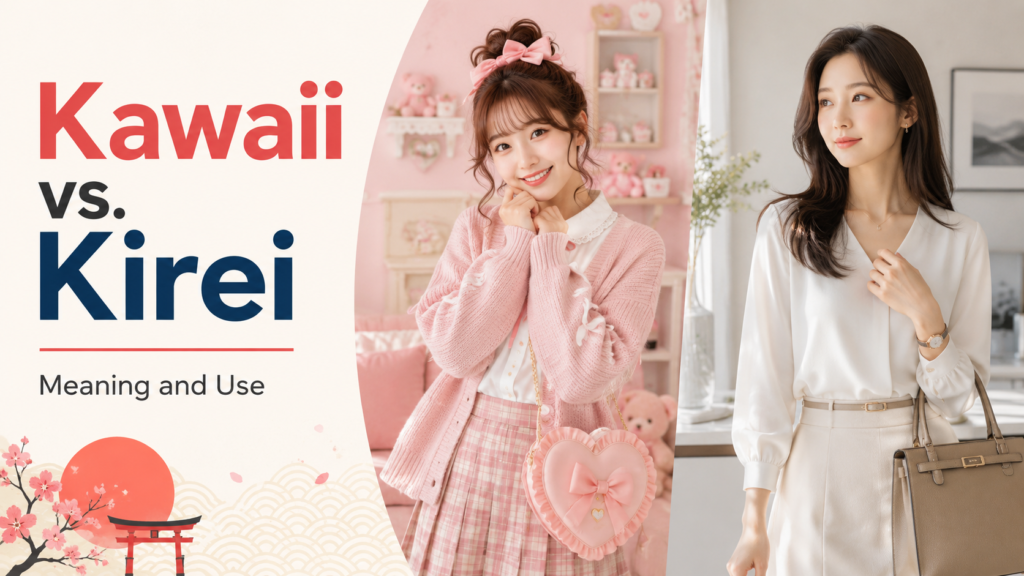
Kawaii vs. Kirei: The Difference in Meaning and Use
Learn how kawaii and kirei frame attractiveness differently in everyday Japanese, how each affects compliments, and when kirei means clean or neat. -
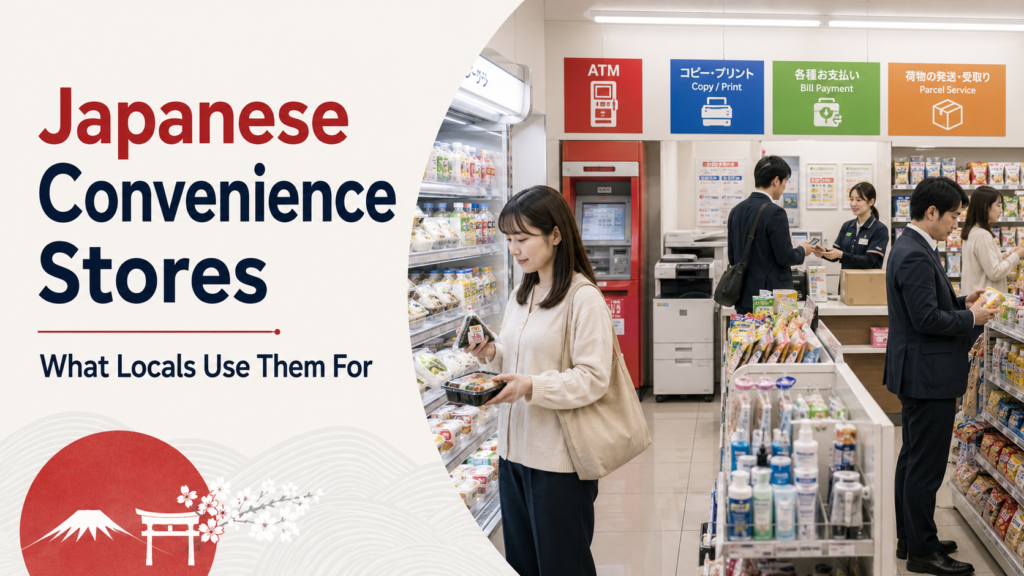
Japanese Convenience Stores: What Locals Use Them For
Learn how people in Japan use convenience stores for quick meals, cash, printing, bill payments, and other everyday errands—and why supermarkets remain better for regular shopping.