How can 大丈夫(だいじょうぶ, daijobu) mean “yes” in one conversation, “no, thank you” in another, and “I’m fine” after a fall? The key is that daijobu is not inherently affirmative or negative. It describes something as acceptable, safe, sufficient, or not a problem—and context tells you what that “something” is.
For native Japanese speakers, this interpretation is often intuitive. But if you learned daijobu simply as “OK,” real-life exchanges can be confusing. This article explains how the question being answered, the situation, and supporting cues such as tone shape its practical meaning. You will learn to ask the most useful question: What, exactly, is being treated as daijobu?
The short answer: daijobu is not a yes-or-no word
大丈夫(だいじょうぶ, daijobu) is neither inherently affirmative nor negative. Depending on the exchange, it may be translated naturally as “yes,” “no, thank you,” “I’m fine,” “it’s okay,” or “no problem.”
These are not unrelated dictionary meanings. Each translation expresses what 大丈夫 means within the whole situation: something is acceptable, sufficient, safe, or not a problem. The question being answered and the surrounding context determine how that idea sounds in English.
For example, 大丈夫 may confirm that a proposed arrangement is acceptable, giving it the practical meaning of “yes.” After an offer, however, it may indicate that the speaker is fine without the offered item, making “no, thank you” more natural.
大丈夫です (daijobu desu) is a more polite form, but です (desu) does not make the expression positive or negative. It can still communicate either acceptance or refusal. The key is to interpret the entire interaction rather than treating daijobu as a fixed replacement for “yes,” “no,” or even “OK.”
Ask what is being treated as okay
The key to understanding 大丈夫(だいじょうぶ, daijobu)is to ask: What is being treated as daijobu?
Depending on the situation, the unstated idea may be:
- This choice is acceptable.
- The situation is safe.
- What I already have is sufficient.
- I can manage without help.
- What happened is not a serious problem.
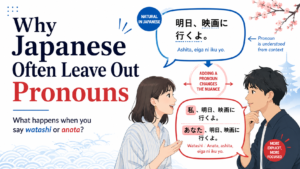
Japanese often leaves that subject or condition unstated when it is clear from the conversation. A speaker may simply say 大丈夫です rather than spell out “I am okay without it” or “This arrangement is acceptable.” The listener is expected to recover the missing part from the question and the surrounding situation.
From my perspective as a native speaker, this usually happens intuitively. I am not consciously choosing an affirmative or negative version of 大丈夫. I am responding to whatever condition is already under discussion.
So instead of asking only, “Does daijobu mean yes or no?”, mentally complete the sentence:
“_____ is okay.”
Once you identify what belongs in that blank, the intended meaning becomes much easier to interpret.
How the question can make daijobu sound like yes or no
Compare these two exchanges:
A: これで大丈夫?
Kore de daijobu?
“Is this okay?”B: 大丈夫。
Daijobu.
“Yes, that’s fine.”
Here, これで (kore de) means “with this” or “this way.” The response confirms that the current choice or arrangement is acceptable. English naturally expresses that confirmation with “yes.”
Now consider a common exchange at a shop:
Staff: 袋いりますか?
Fukuro irimasu ka?
“Do you need a bag?”Customer: 大丈夫です。
Daijobu desu.
“No, thank you.”
This time, 大丈夫です is commonly understood as “I’m fine without a bag.” Because the customer does not need what is being offered, the natural English response is “no, thank you.”
The word 大丈夫 has not literally changed into “no.” The implied messages are simply different:
- これで大丈夫? → “This arrangement is okay.”
- 袋いりますか? → “I’m okay without a bag.”
From my perspective as a native Japanese speaker, this usually does not feel like choosing between an affirmative and a negative definition of daijobu. The response follows the situation created by the question, and the listener fills in what is left unstated.
That is why the same Japanese response can produce opposite yes-or-no translations in English. The translation belongs to the whole exchange, not to 大丈夫 alone.
Why daijobu desu often works as a polite refusal
After an offer, 大丈夫です (daijobu desu) often communicates that the speaker does not need what is being offered:
店員: レシートはお持ちになりますか?
Reshīto wa omochi ni narimasu ka?
“Would you like your receipt?”客: 大丈夫です。
Daijobu desu.
“No, thank you. I’m fine without it.”
The same pattern is common when declining a sample, an extra item, or assistance. The implied message is not a direct “no,” but something closer to “I’m okay as I am” or “I don’t need it, thank you.”
You could say いりません (irimasen), “I don’t need it,” which is clearer and not necessarily rude. However, from my perspective as a Japanese speaker, 大丈夫です can feel slightly softer because it focuses on the speaker being fine without the item rather than directly rejecting it.
This refusal reading is especially likely after an offer or recommendation:
お手伝いしましょうか?
Otetsudai shimashō ka?
“Shall I help you?”大丈夫です。
Daijobu desu.
“No, I’m all right.”
However, it is not an automatic rule for every shop or restaurant exchange. If a staff member is confirming an arrangement—such as whether one bill is acceptable—大丈夫です may instead accept that arrangement. です (desu) makes the expression more polite; it does not make it negative. The kind of question being answered is what makes the refusal interpretation likely.
When daijobu means “I’m fine” or “don’t worry”
When someone checks your well-being, 大丈夫(だいじょうぶ) often means “I’m fine” or “I’m all right.”
A: 大丈夫?
Daijobu?
“Are you okay?”B: うん、大丈夫。
Un, daijobu.
“Yes, I’m fine.”
For example, this exchange might follow a fall or minor injury. The unstated idea is that the person is not seriously hurt. If someone is struggling with luggage or a difficult task, the same reply may instead mean “I can manage” or “I don’t need help.”
大丈夫? can also ask about a situation rather than a person. If someone hears a loud noise from the kitchen, the intended question might be “Is everything okay?” If they notice you are running late, it could mean “Will you be okay?” The particular concern comes from the circumstances.
After an apology, 大丈夫です commonly reassures the other person:
A: すみません!
Sumimasen!
“I’m sorry!”B: 大丈夫です。
Daijobu desu.
“It’s okay. Don’t worry about it.”
Here, the speaker is treating the mistake or its consequences as not serious enough to be a problem. Depending on what happened, natural English alternatives include “No worries,” “That’s all right,” or “No harm done.”
These uses are connected by the same basic idea: the person, situation, or mistake presents no serious problem. The best English translation changes according to what prompted the concern.
Tone, timing, and body language provide supporting clues
Once you know what the conversation is about, delivery can help refine your interpretation. A quick, clear 大丈夫です with a relaxed expression may reinforce that everything is genuinely fine. A pause or hesitant だいじょうぶ……です may suggest uncertainty, reluctance, or an attempt to respond politely.
Physical behavior can also support the likely meaning. When someone says 大丈夫です while making a small hand gesture, turning away, or stepping back from an offered item, those actions often reinforce a refusal: “No, I’m all right.” By contrast, confidently continuing with the agreed arrangement can support an acceptance reading.
These are clues, not fixed rules. A particular head movement or tone does not always carry the same meaning, and speaking styles vary from person to person. Context—especially the question, offer, or concern that came immediately before 大丈夫—normally carries more weight than intonation or facial expression alone.
Why “OK” is a useful translation—and a misleading definition
“OK” is a convenient first translation of 大丈夫(だいじょうぶ, daijobu) because both expressions can describe something as acceptable or free from a serious problem. The trouble begins when learners treat them as exact, interchangeable words.
From my perspective as a native Japanese speaker, the different uses of 大丈夫です feel intuitively connected. I am not usually choosing between a positive and negative definition. However, learning English made me realize that English often states the implied condition more explicitly:
- Yes, that’s fine.
- No, I’m good, thank you.
- I’m not hurt.
- Don’t worry about it.
Japanese may use 大丈夫です in all these situations, but English usually requires the speaker to identify what is fine: the proposed arrangement, being without an offered item, the speaker’s physical condition, or the result of a mistake.
That is why “OK” works better as a clue than as a complete definition. If you replace every 大丈夫です mechanically with “OK,” you may understand the general feeling while missing the practical message—especially whether the person is accepting something, declining it, or reassuring you.
The natural translation should therefore come after interpreting the interaction. First recover the condition left unstated in Japanese; then express that full meaning in English. Daijobu may connect the examples, but “yes,” “no, thank you,” and “I’m not hurt” are translations of the situations, not fixed substitutes for the word itself.
A practical way to interpret daijobu in conversation
When you hear 大丈夫(だいじょうぶ), use this four-step process:
Identify the type of exchange.
Was the other person checking an arrangement, making an offer, asking about someone’s well-being, or responding to a concern?Mentally complete the unstated idea.
Depending on the situation, daijobu may imply:- “This is okay.”
- “I’m okay without it.”
- “I am okay.”
“What happened is okay.”
Choose a natural English interpretation.
That might be “Yes, that’s fine,” “No, thank you,” “I’m fine,” or “Don’t worry.” Do not label daijobu itself as either yes or no.Confirm the intended action when it matters.
Context usually provides enough information, but ambiguity is still possible. Instead of asking another question that could be answered with 大丈夫です, explicitly name the alternatives or confirm what you plan to do. For example:- 袋は必要ですか?いりませんか?
Do you need a bag, or not? - 手伝いましょうか?それとも、一人でできますか?
Would you like help, or can you manage by yourself? - では、これを使ってもいいということですね?
So, it is okay for me to use this, correct?
The most useful habit is to pause and ask: “What, exactly, is being treated as daijobu?” Once that is clear, the intended meaning usually becomes much easier to understand.
Conclusion
大丈夫(だいじょうぶ, daijobu) does not mean “yes” or “no” by itself. It indicates that a person, choice, condition, or situation is acceptable or presents no serious problem. The practical message depends on what the conversation treats as being okay.
After a confirmation, 大丈夫 may mean “Yes, that’s fine.” After an offer, 大丈夫です often means “No, thank you—I’m fine without it.” It can also reassure someone with “I’m fine,” “It’s okay,” or “Don’t worry.” The polite です softens the expression but does not determine whether it accepts or declines something.
Rather than translating the word mechanically, mentally complete its implied meaning: “This is okay,” “I’m okay without it,” or “What happened is okay.” The preceding question usually provides the strongest clue, while tone and body language offer additional support. If the intended action remains unclear and matters in practice, ask a specific follow-up question.



Comments