Japanese Language– category –
-

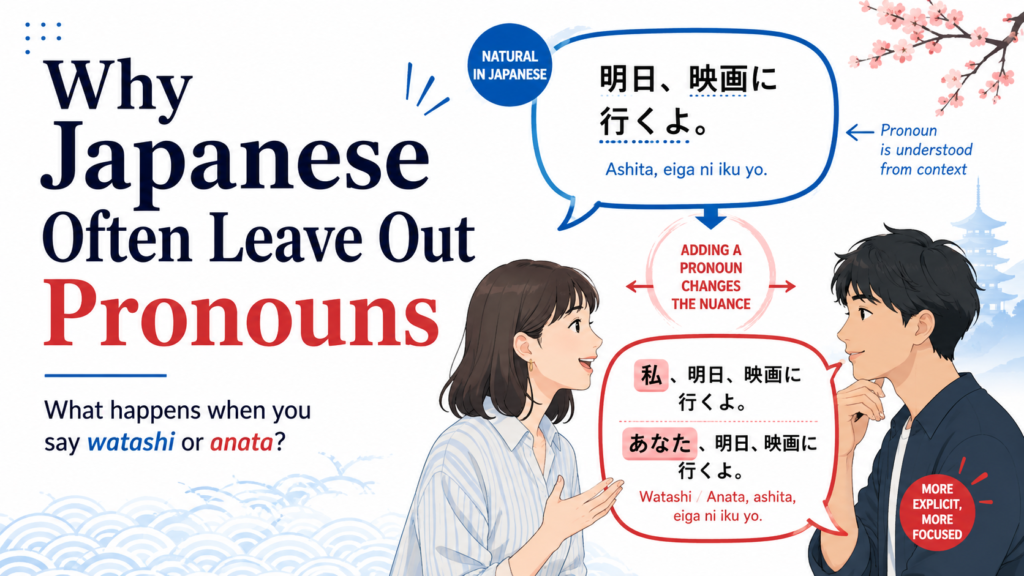
Why Japanese Often Omits Pronouns—and What Adding Them Means
Learn why Japanese often leaves recoverable people unstated—and how explicitly naming watashi, anata, or another participant can signal contrast, selection, emphasis, or responsibility depending on context. -
Why Does Japanese Use So Much Onomatopoeia?
Explore why Japanese mimetic words extend far beyond sound effects, how moyamoya expresses unresolved feelings, and why this vocabulary remains natural in everyday adult and professional conversation. -
Japanese Counter Words: How They Classify Things
Learn how Japanese counter words classify people, animals, and objects, why familiar combinations feel automatic, what unusual choices communicate, and how pronunciation changes and neutral fallbacks work. -
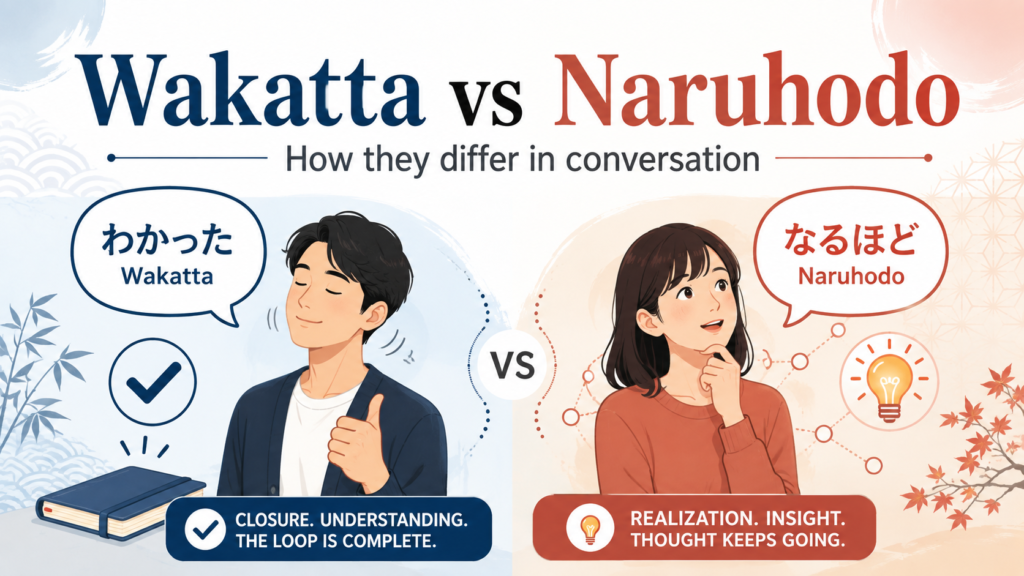
Wakatta vs. Naruhodo: How They Differ in Conversation
Learn how wakatta tends to close a conversational loop, while naruhodo often signals continued thought, and how context, intonation, and hierarchy shape which response sounds natural. -
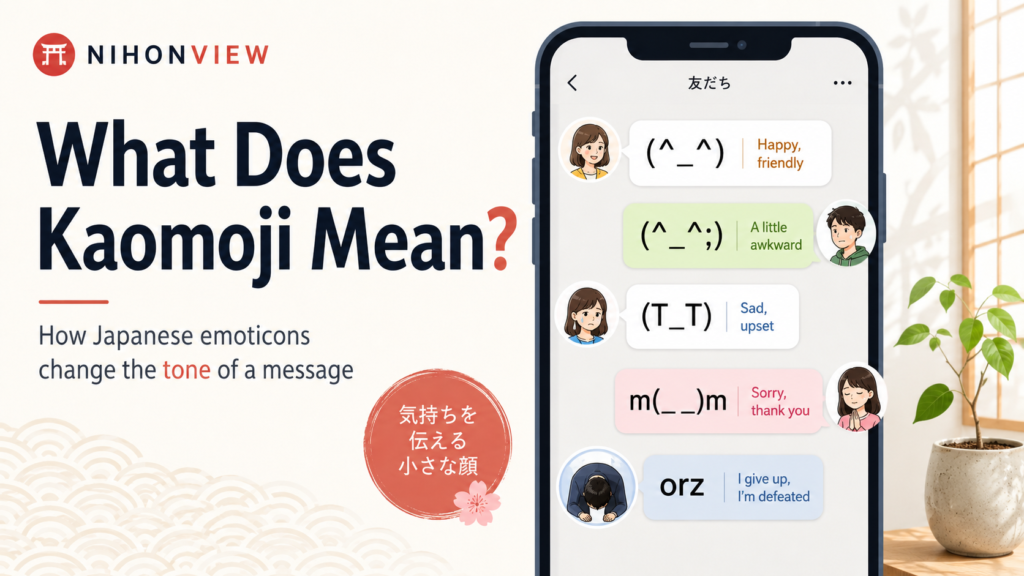
What Is Kaomoji? How Japanese Emoticons Shape Tone
Learn what kaomoji are and how Japanese text faces such as (^_^) can soften messages, signal familiarity, and change social distance depending on the relationship and situation. -
What Does Shibuya Mean in Japanese? Why “Bitter Valley” Is Misleading
Shibuya is written 渋谷 (しぶや). 渋 can mean astringent and 谷 means valley—but “bitter valley” is misleading. A native Japanese speaker explains why. -
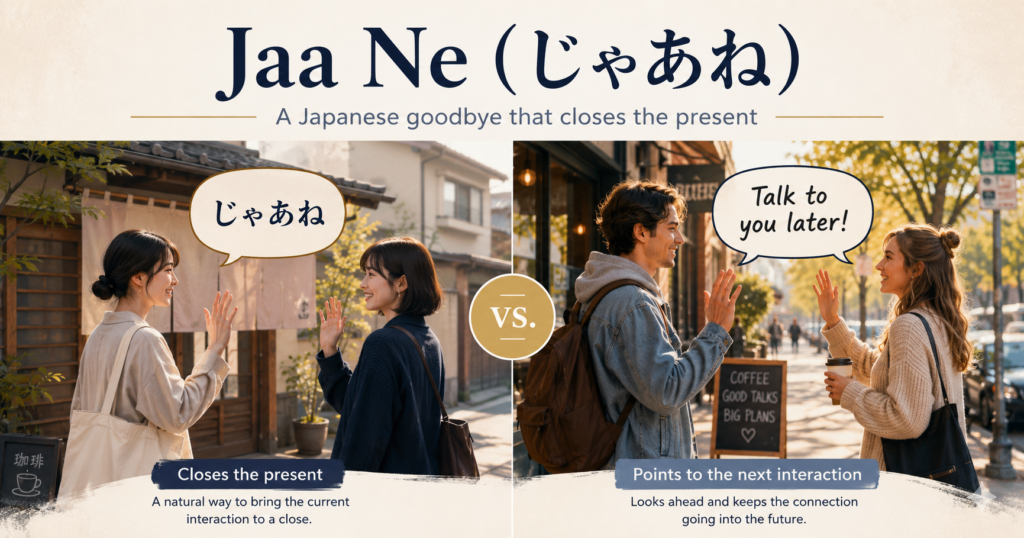
What Does Jaa Ne Mean in Japanese? Usage and Nuance
Learn what jaa ne (じゃあね) means, when this casual goodbye sounds natural, how it differs subtly from “see you later,” and how it compares with mata ne and workplace farewells. -
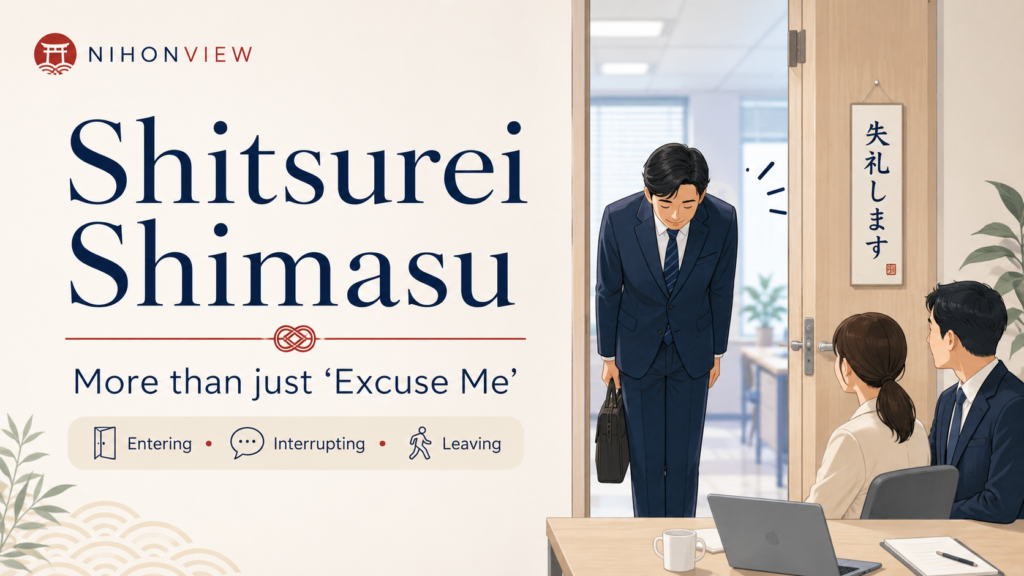
What Does Shitsurei Shimasu Really Mean in Japanese?
Learn why shitsurei shimasu means more than “excuse me,” and how Japanese speakers use it when entering, leaving, interrupting, or politely affecting another person’s space and attention. -
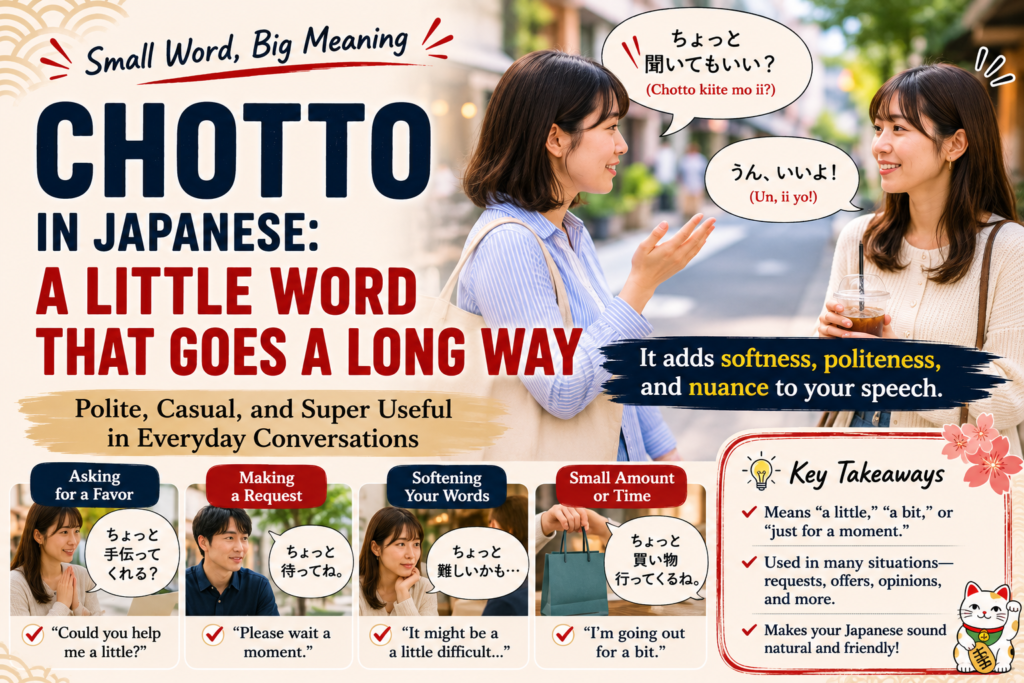
Does Chotto Mean No? Understanding Japanese Refusals
Learn why chotto can imply a polite refusal without literally meaning “no,” how Japanese listeners interpret tone, pauses, and unfinished sentences, and when learners should use a clearer response. -
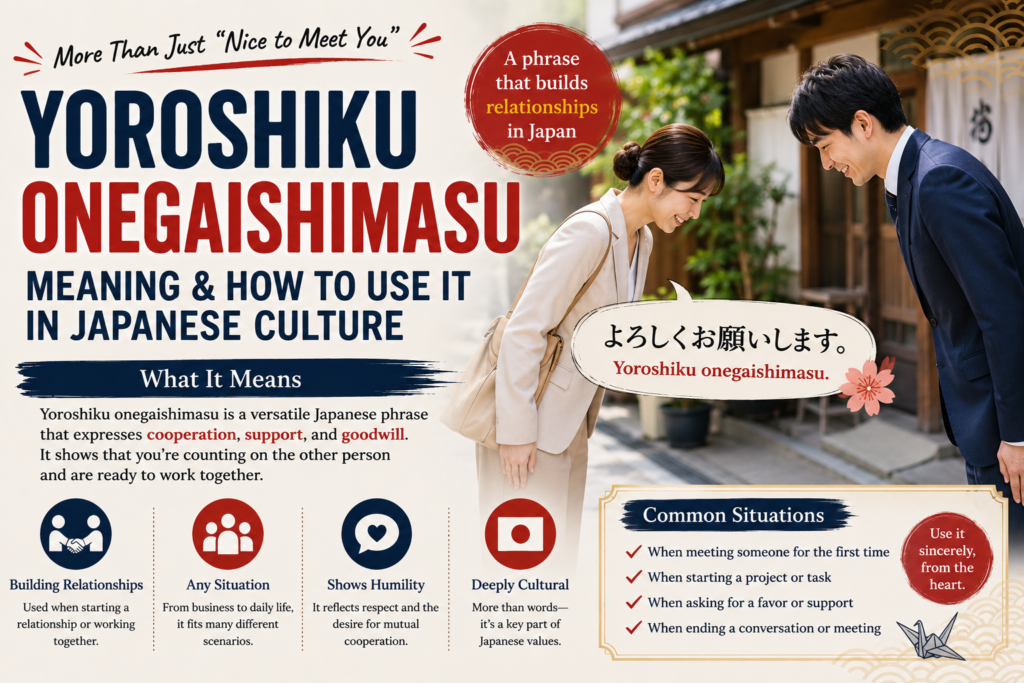
What Does Yoroshiku Onegaishimasu Really Mean?
Learn how yoroshiku onegaishimasu changes with context, from introductions and requests to workplace cooperation, and how to choose natural English based on what is expected to happen next.



12