-

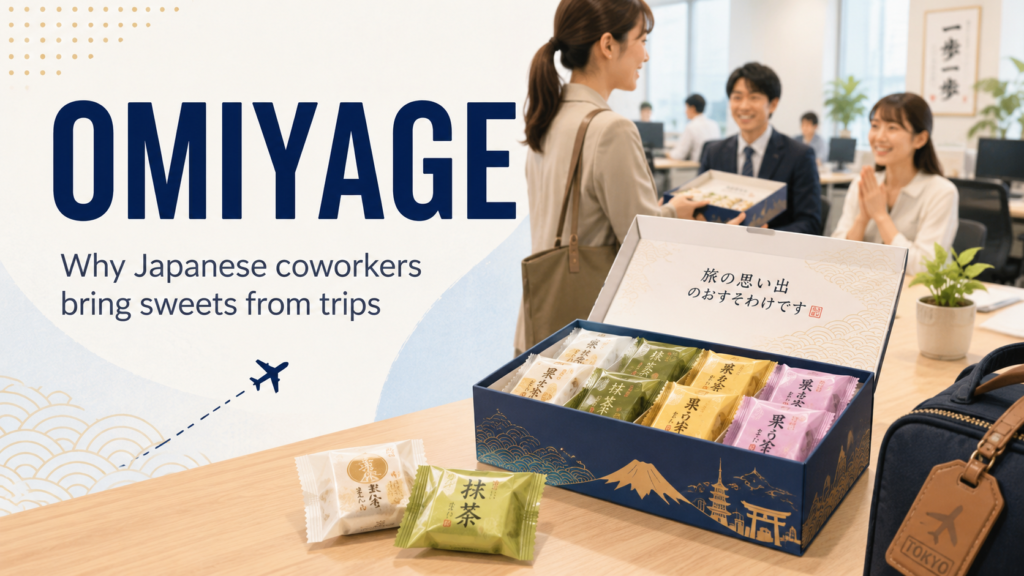
What Is Omiyage? Japan’s Workplace Souvenir Custom
Learn what omiyage means in Japanese workplaces, why boxed regional sweets are common, how they can acknowledge an absence, and why souvenir shops make this sharing custom easy to follow. -
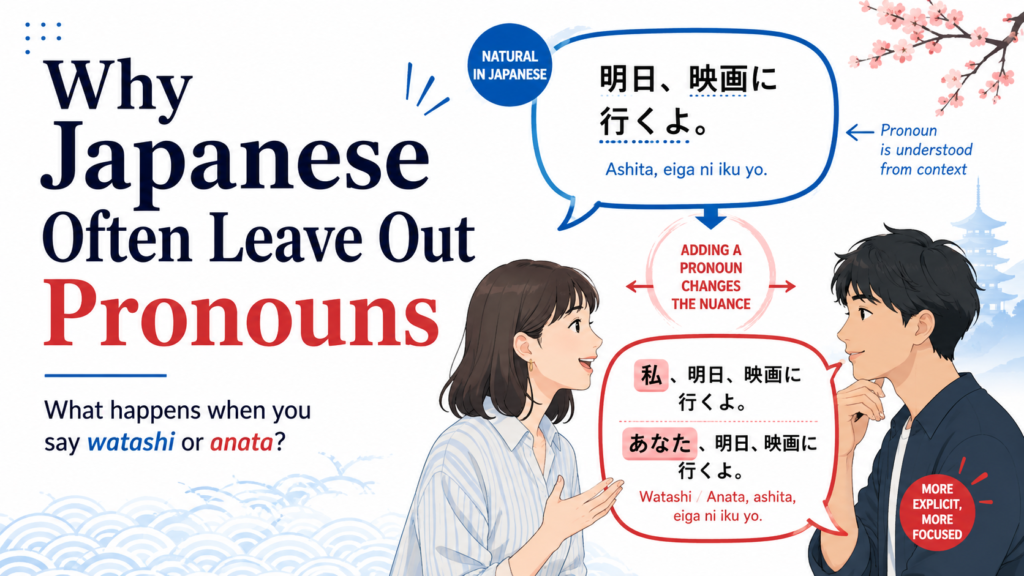
Why Japanese Often Omits Pronouns—and What Adding Them Means
Learn why Japanese often leaves recoverable people unstated—and how explicitly naming watashi, anata, or another participant can signal contrast, selection, emphasis, or responsibility depending on context. -
Why Does Japanese Use So Much Onomatopoeia?
Explore why Japanese mimetic words extend far beyond sound effects, how moyamoya expresses unresolved feelings, and why this vocabulary remains natural in everyday adult and professional conversation. -
Why Is Hunter x Hunter Always on Hiatus? A View from Japan and Overseas
Learn why Hunter x Hunter has repeated publication breaks, how “Hiatus x Hiatus” became familiar overseas, and why manga readers, anime viewers, and Weekly Shonen Jump readers experienced its reputation differently. -
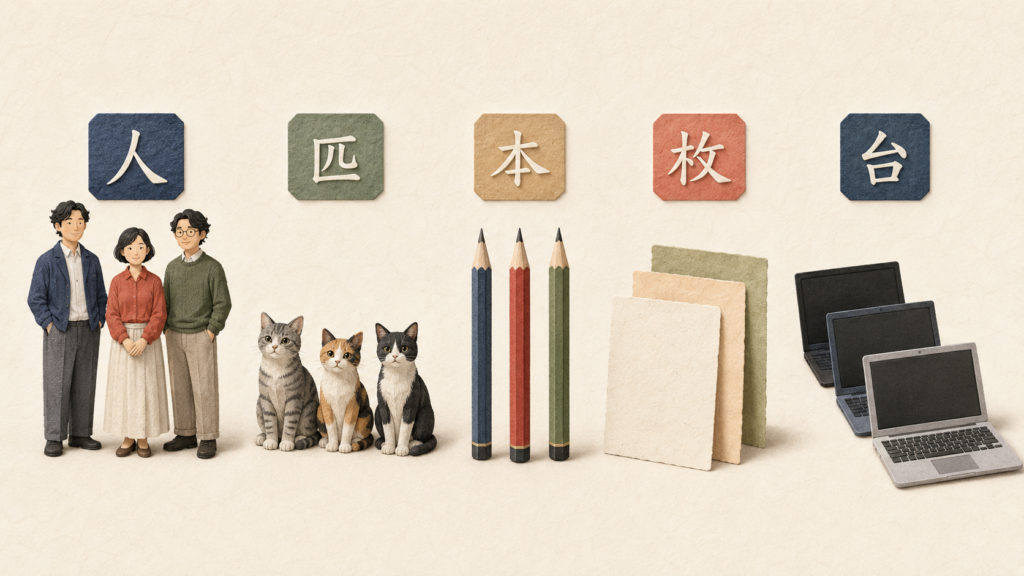
Japanese Counter Words: How They Classify Things
Learn how Japanese counter words classify people, animals, and objects, why familiar combinations feel automatic, what unusual choices communicate, and how pronunciation changes and neutral fallbacks work. -
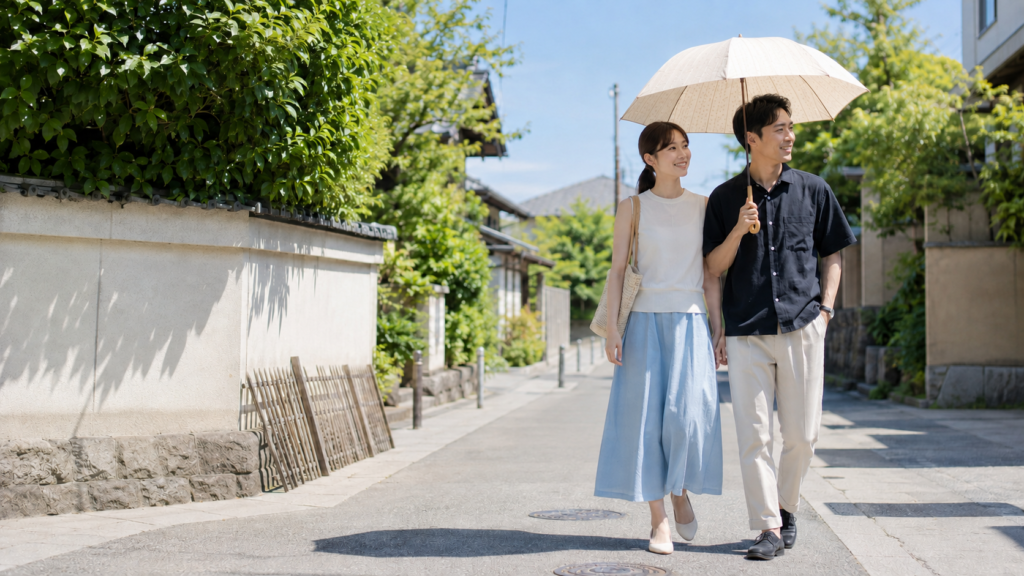
Why People in Japan Carry Umbrellas on Sunny Days
Learn why parasols are a familiar sight on clear days in Japan, providing portable shade and UV protection while also serving as fashion accessories—and why they may look unusual in New York. -
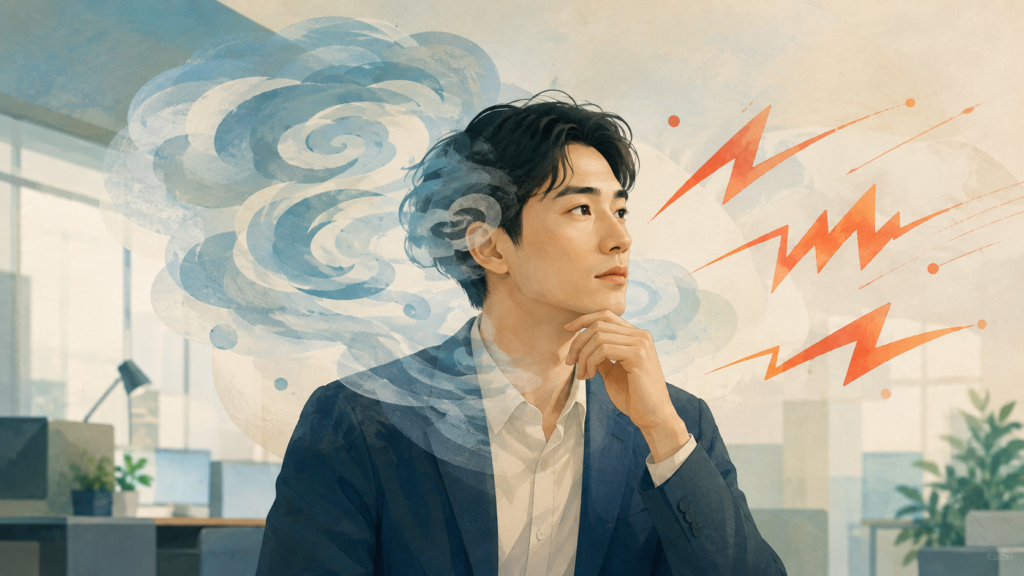
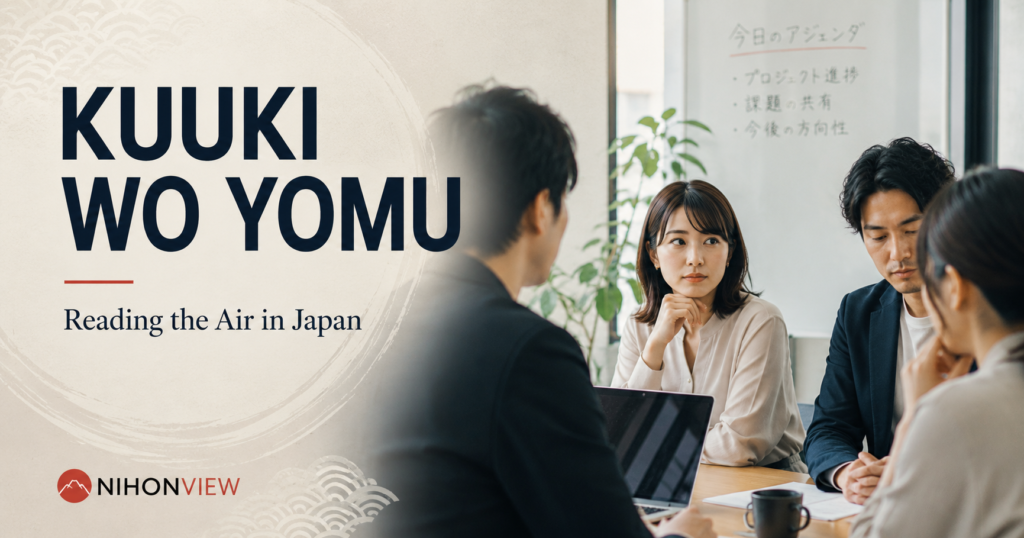
Kuuki wo Yomu Meaning: How Japanese People “Read the Air”
Learn what kuuki wo yomu means, how it goes beyond reading the room, how it differs from sassuru and sontaku, and why this Japanese communication skill can be both useful and socially restrictive. -
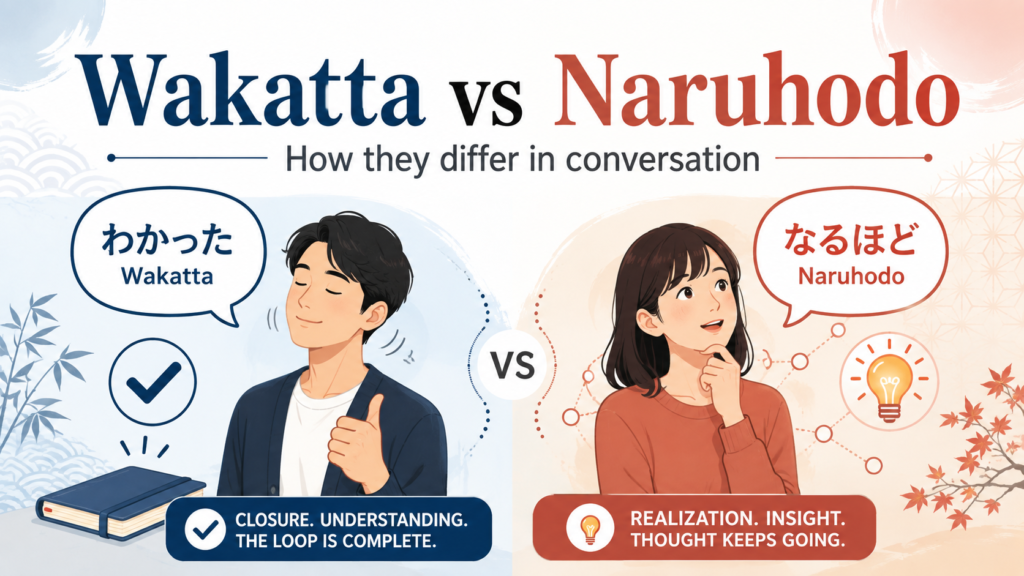
Wakatta vs. Naruhodo: How They Differ in Conversation
Learn how wakatta tends to close a conversational loop, while naruhodo often signals continued thought, and how context, intonation, and hierarchy shape which response sounds natural. -
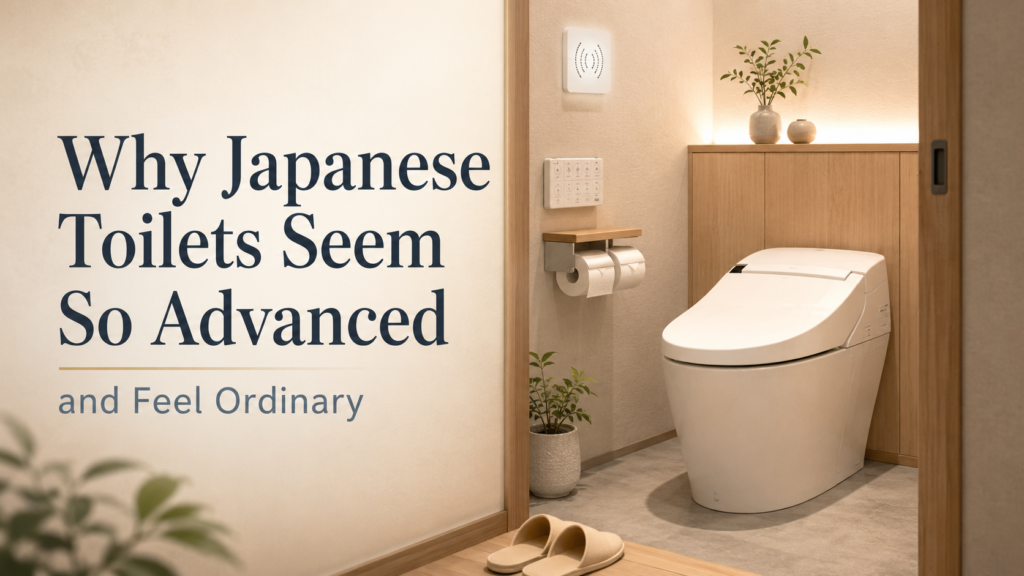
Why Japanese Toilets Seem So Advanced—and Feel Ordinary
Learn why Japanese toilets can seem futuristic to visitors yet ordinary to familiar users, and how comfort, privacy, spatial design, presentation, and maintenance shape the whole experience. -
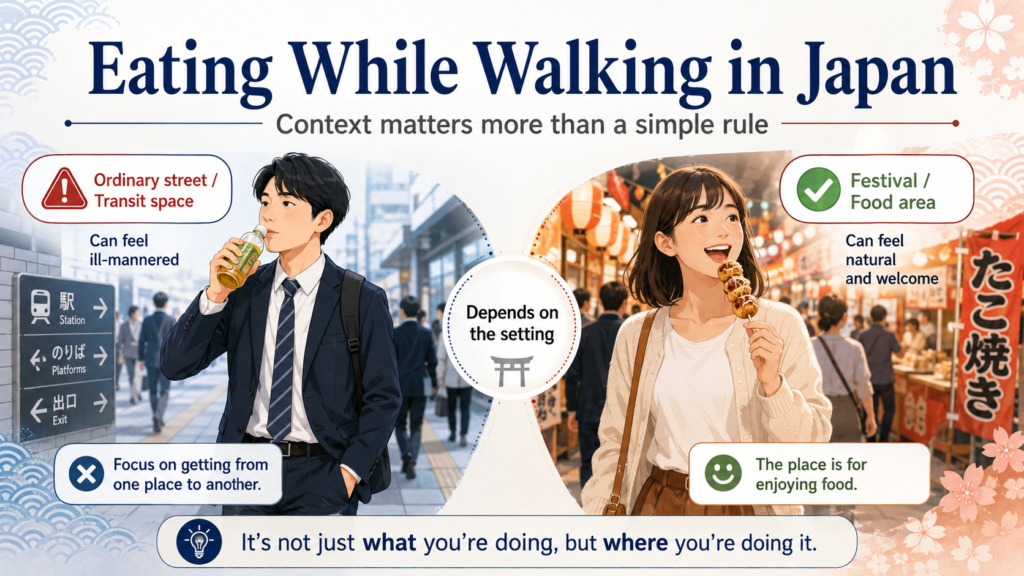
Eating While Walking in Japan: When Is It Rude?
Learn why eating while walking in Japan is not universally forbidden, yet may seem rude on ordinary streets—and how transit spaces, festivals, age, and local rules shape the judgment.
-

Why Is Hunter x Hunter Always on Hiatus? A View from Japan and Overseas
-
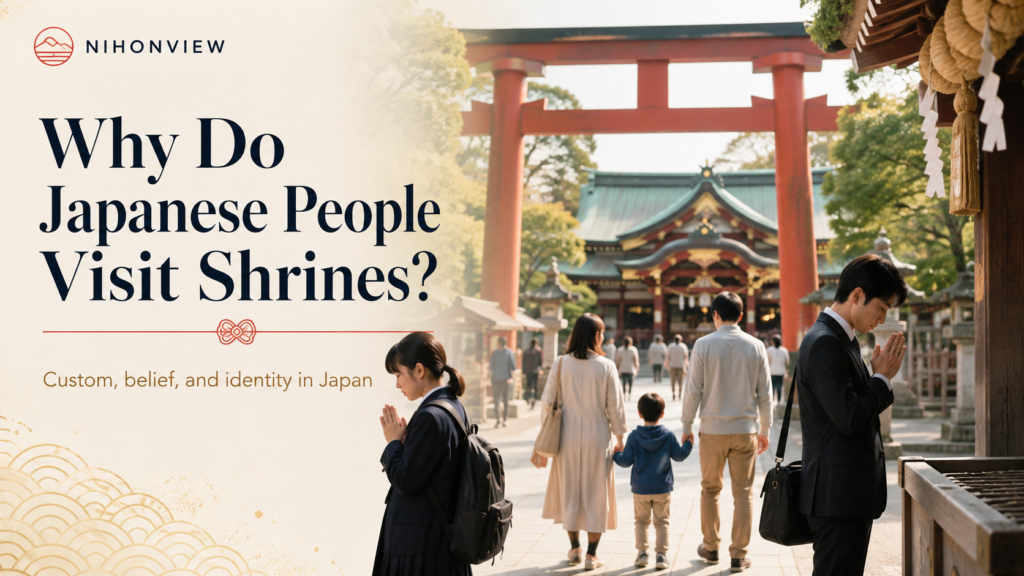
Why Do Japanese People Visit Shrines If They Aren’t Religious?
-
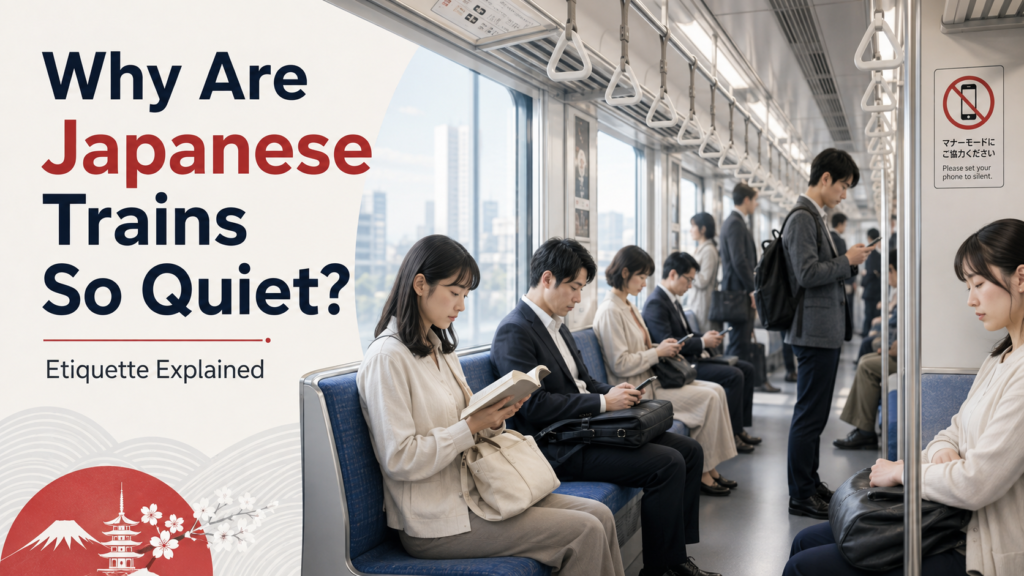
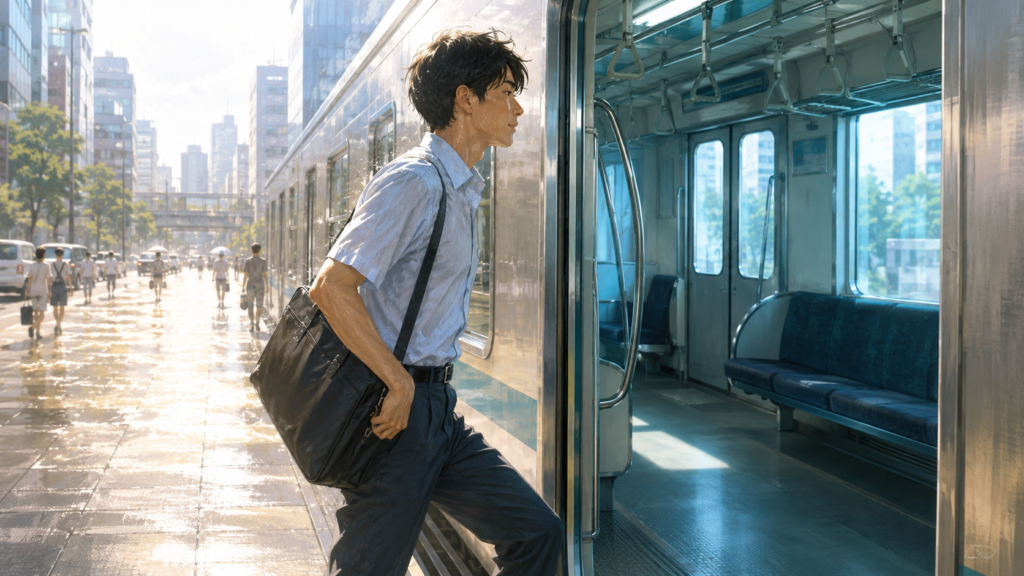
Why Are Japanese Trains So Quiet? Etiquette Explained
-
Japanese Counter Words: How They Classify Things
-
Why Japanese Summer Heat Feels So Hard to Handle
-
Eating While Walking in Japan: When Is It Rude?
-
Wakatta vs. Naruhodo: How They Differ in Conversation
-
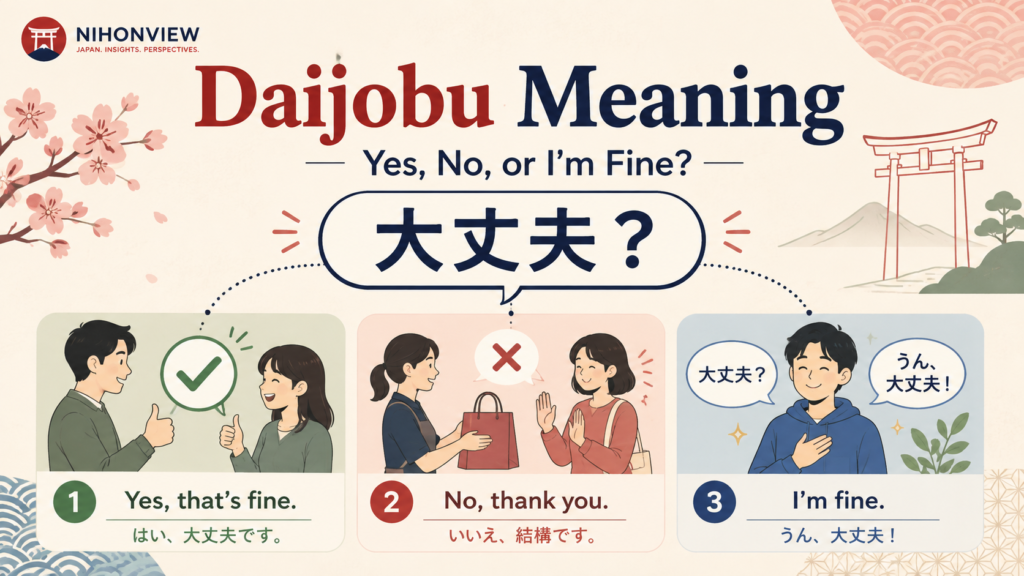
Daijobu Meaning: How It Can Mean Yes, No, or I’m Fine