Japanese Culture– category –
-

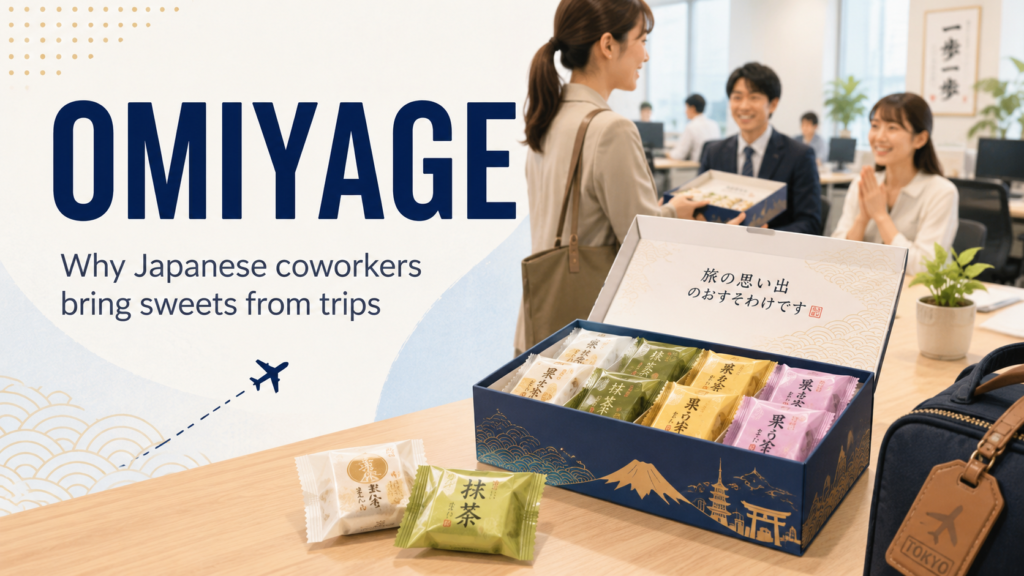
What Is Omiyage? Japan’s Workplace Souvenir Custom
Learn what omiyage means in Japanese workplaces, why boxed regional sweets are common, how they can acknowledge an absence, and why souvenir shops make this sharing custom easy to follow. -
Why Is Hunter x Hunter Always on Hiatus? A View from Japan and Overseas
Learn why Hunter x Hunter has repeated publication breaks, how “Hiatus x Hiatus” became familiar overseas, and why manga readers, anime viewers, and Weekly Shonen Jump readers experienced its reputation differently. -
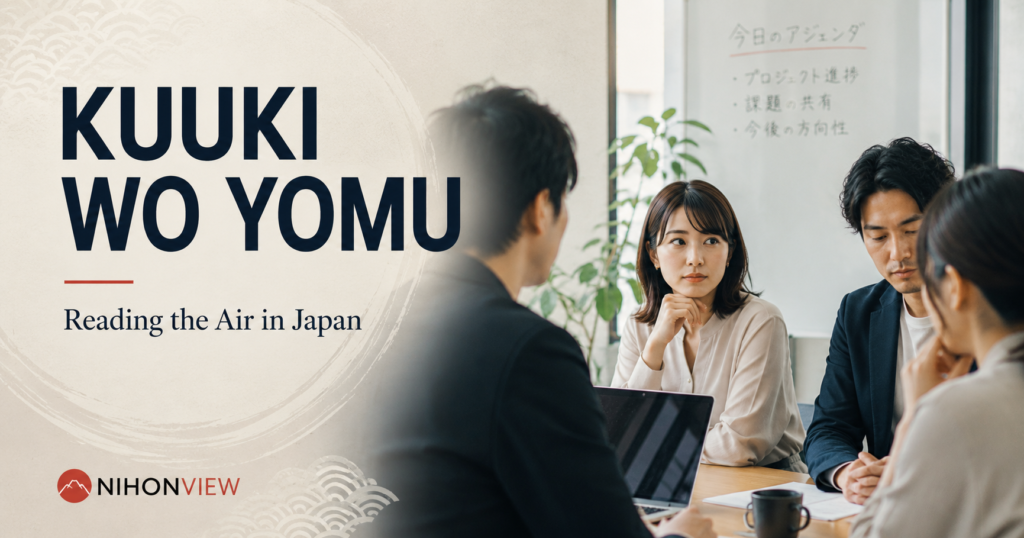
Kuuki wo Yomu Meaning: How Japanese People “Read the Air”
Learn what kuuki wo yomu means, how it goes beyond reading the room, how it differs from sassuru and sontaku, and why this Japanese communication skill can be both useful and socially restrictive. -
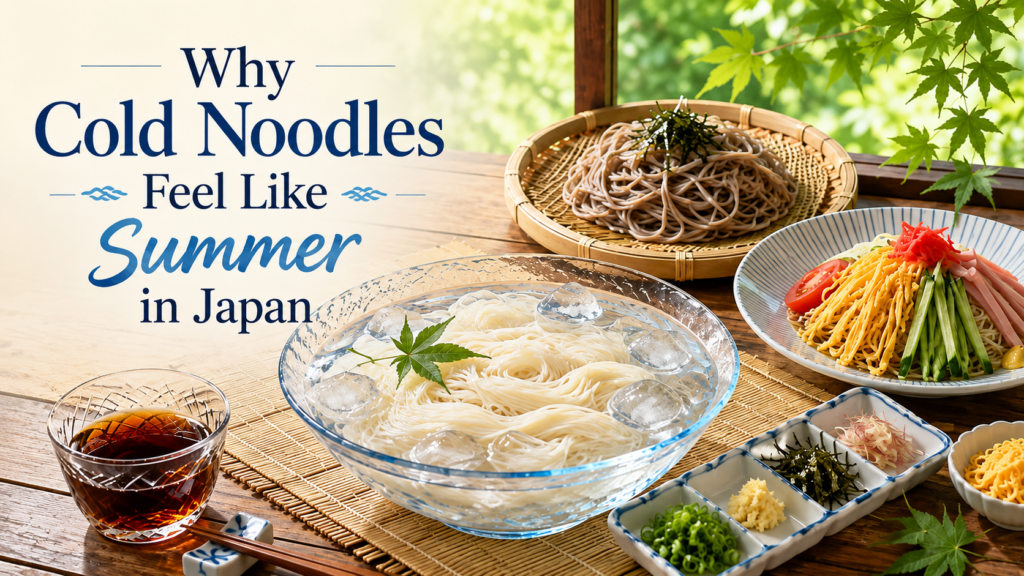
Why Cold Noodles Feel Like Summer in Japan
Learn why cold noodles such as somen, zaru soba, and hiyashi chuka signal summer in Japan through family lunches, ice, presentation, seasonal retail cycles, and memories built year after year. -
What Is Koshien? Why High School Baseball Matters in Japan
Learn what Koshien means and why Japan’s summer high school baseball championship resonates beyond sports fans through national coverage, regional identity, unpredictable games, and the finality of a third-year player’s last tournament. -
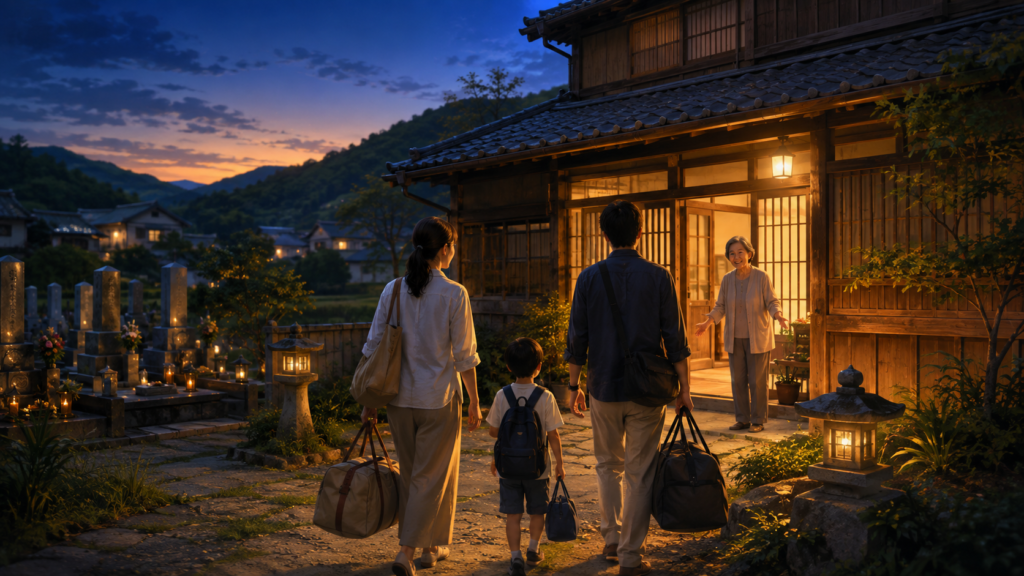
Why Many People in Japan Return Home During Obon
Discover why many people return to their hometowns during Obon, how ancestral customs overlap with modern family reunions, and why the season feels different from Golden Week. -
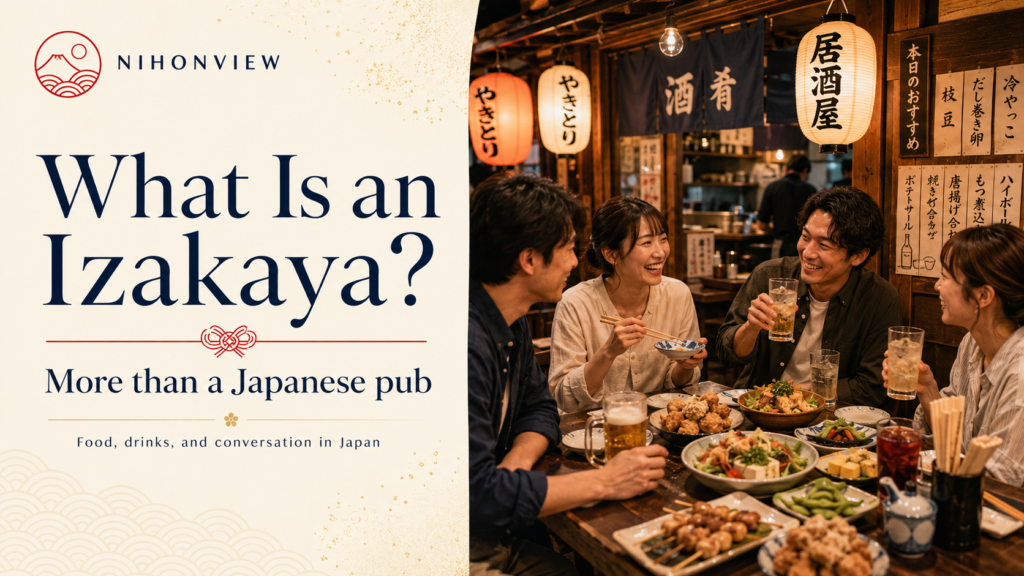
What Is an Izakaya? More Than a Japanese Pub
Learn why an izakaya is more than a Japanese pub, and how shared dishes, drinks, gradual ordering, and conversation come together to shape a flexible social evening. -
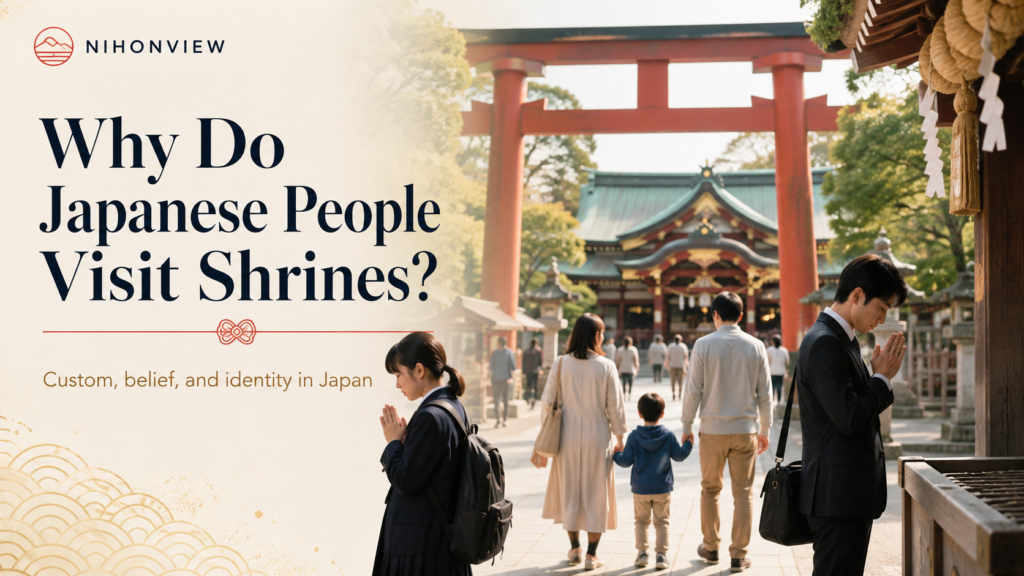
Why Do Japanese People Visit Shrines If They Aren’t Religious?
Learn why visiting a Shinto shrine can reflect belief, family custom, seasonal tradition, community ties, hope, or gratitude without necessarily serving as a declaration of religious identity. -
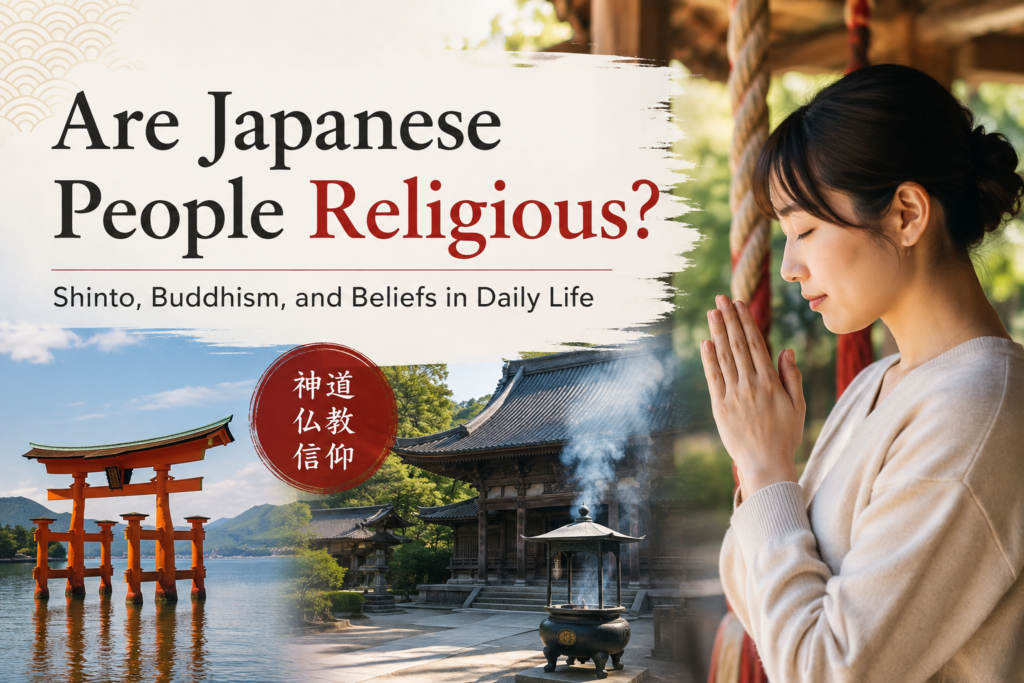
Are Japanese People Religious? Belief, Identity, and Custom
Learn why religious identity, personal belief, and everyday customs do not always align in Japan, from shrine visits and Buddhist memorial rites to family traditions and seasonal observances. -
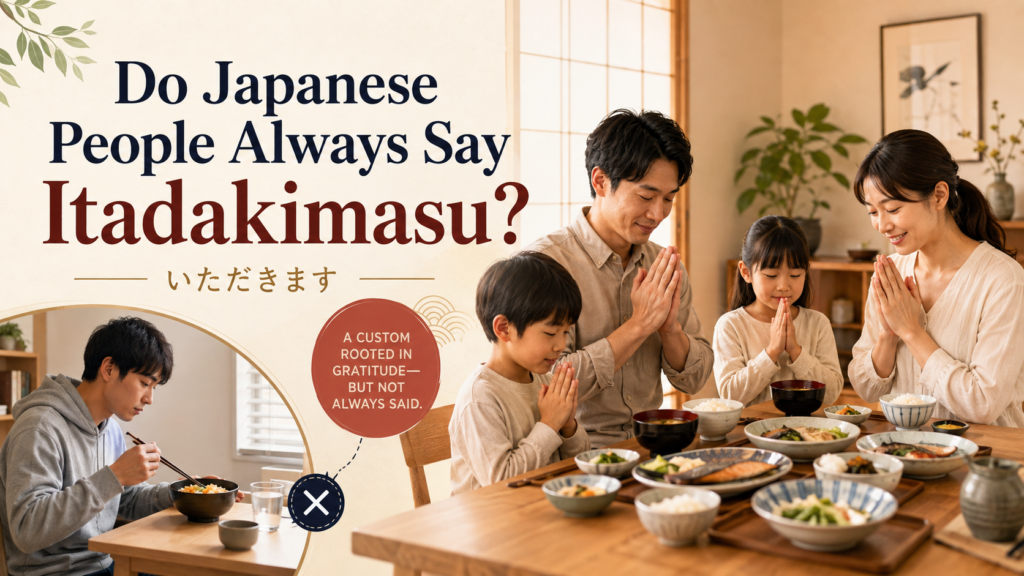
Do Japanese People Always Say Itadakimasu Before Eating?
Learn when Japanese people say itadakimasu, why they may skip it when eating alone, how shared meals shape its use, and why “thank you for the food” is an incomplete translation.


12