-

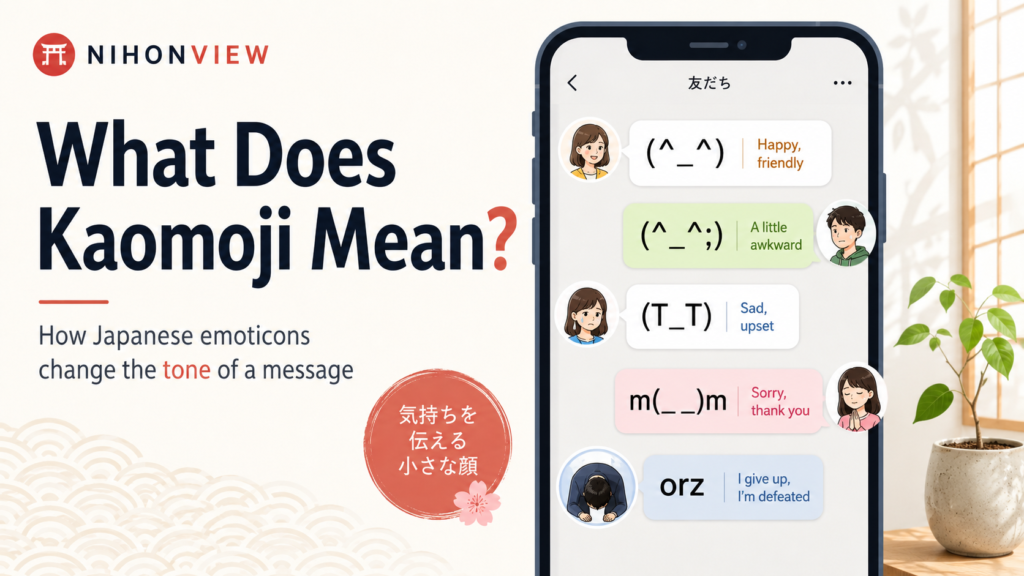
What Is Kaomoji? How Japanese Emoticons Shape Tone
Learn what kaomoji are and how Japanese text faces such as (^_^) can soften messages, signal familiarity, and change social distance depending on the relationship and situation. -
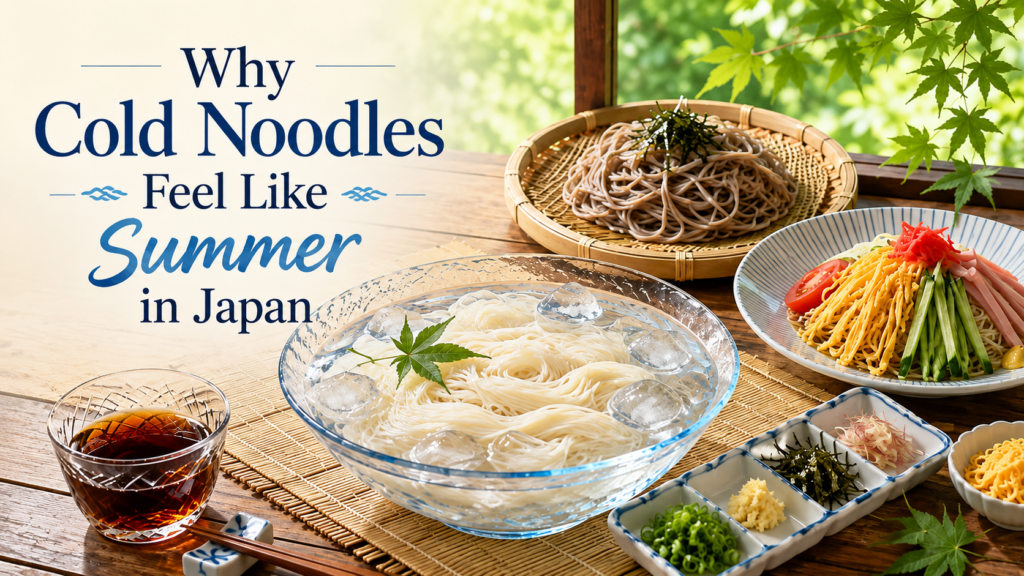
Why Cold Noodles Feel Like Summer in Japan
Learn why cold noodles such as somen, zaru soba, and hiyashi chuka signal summer in Japan through family lunches, ice, presentation, seasonal retail cycles, and memories built year after year. -
What Is Koshien? Why High School Baseball Matters in Japan
Learn what Koshien means and why Japan’s summer high school baseball championship resonates beyond sports fans through national coverage, regional identity, unpredictable games, and the finality of a third-year player’s last tournament. -
Why Japanese Summer Heat Feels So Hard to Handle
Learn why humidity and dense city streets can make Japan’s summer heat feel harsher than New York’s—and how trains, ventilation, and home design can reverse the comparison. -
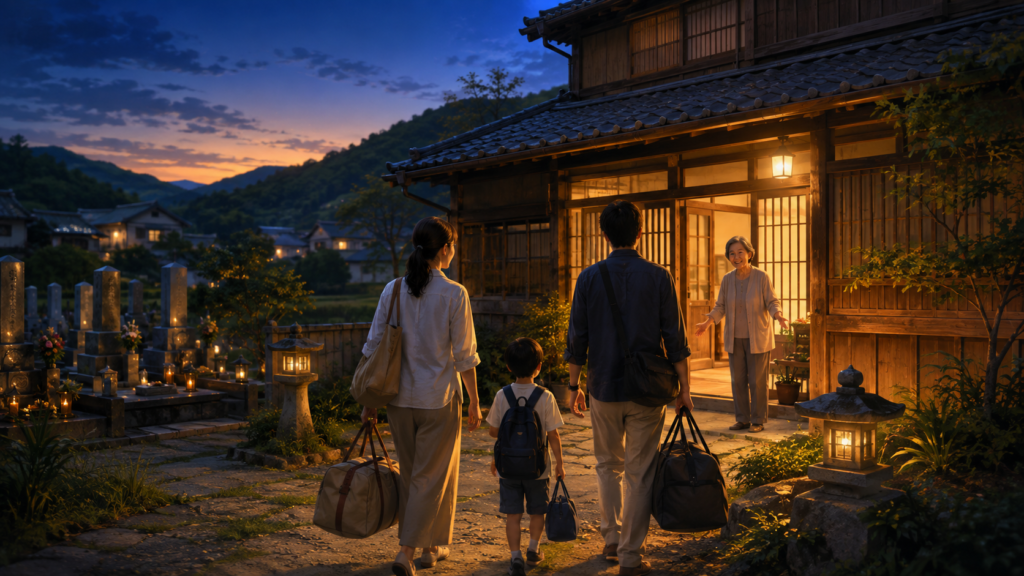
Why Many People in Japan Return Home During Obon
Discover why many people return to their hometowns during Obon, how ancestral customs overlap with modern family reunions, and why the season feels different from Golden Week. -
What Does Shibuya Mean in Japanese? Why “Bitter Valley” Is Misleading
Shibuya is written 渋谷 (しぶや). 渋 can mean astringent and 谷 means valley—but “bitter valley” is misleading. A native Japanese speaker explains why. -
Why Is Golden Week Such a Big Deal in Japan?
Learn why Golden Week matters in Japan, how synchronized time off shapes paid-leave decisions and travel demand, and why many people avoid crowds or simply stay home. -
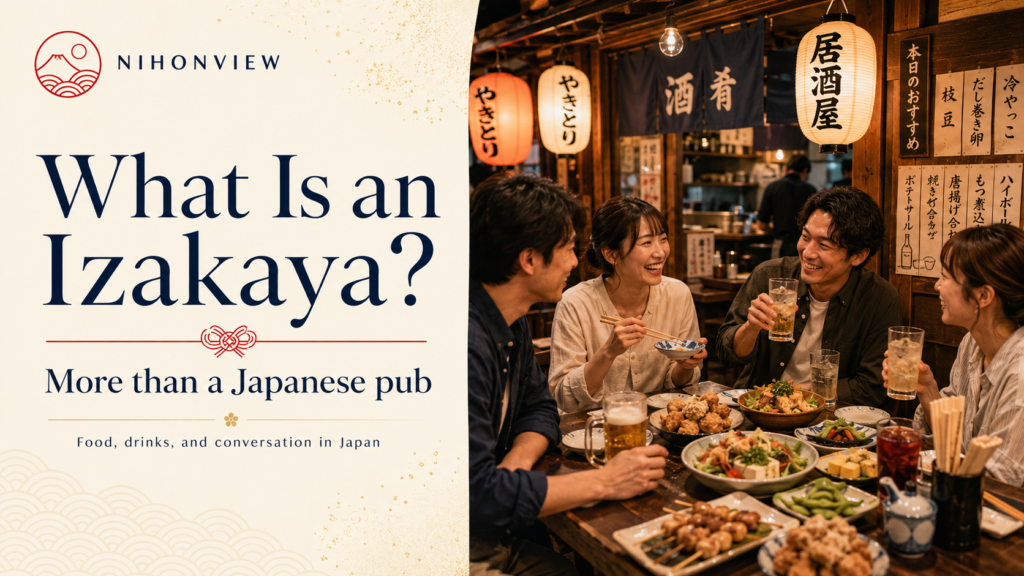
What Is an Izakaya? More Than a Japanese Pub
Learn why an izakaya is more than a Japanese pub, and how shared dishes, drinks, gradual ordering, and conversation come together to shape a flexible social evening. -
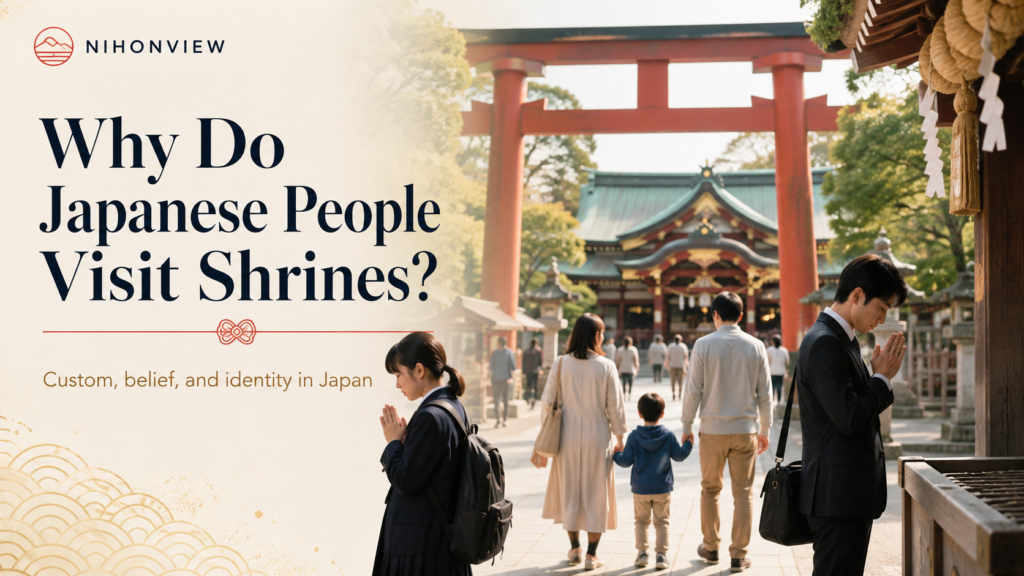
Why Do Japanese People Visit Shrines If They Aren’t Religious?
Learn why visiting a Shinto shrine can reflect belief, family custom, seasonal tradition, community ties, hope, or gratitude without necessarily serving as a declaration of religious identity. -
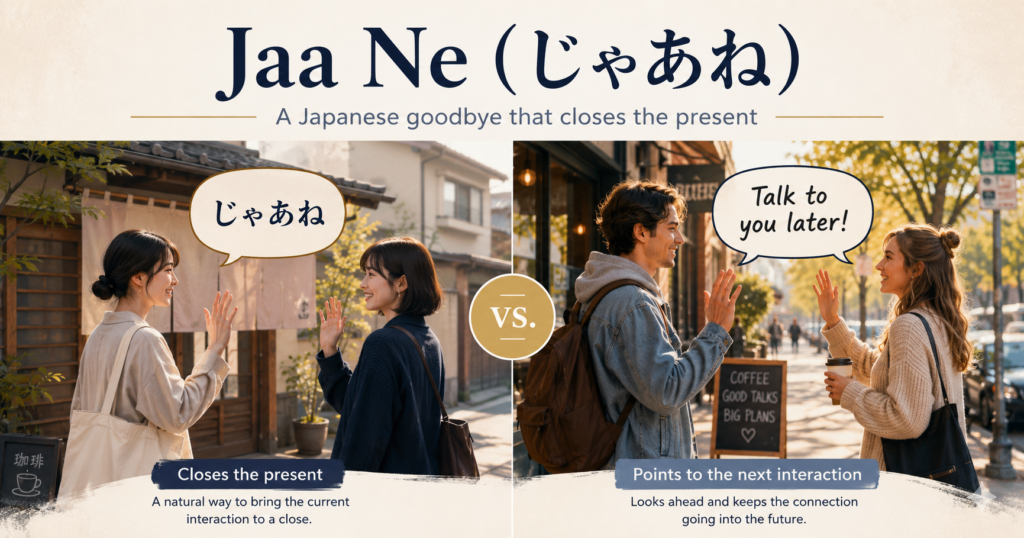
What Does Jaa Ne Mean in Japanese? Usage and Nuance
Learn what jaa ne (じゃあね) means, when this casual goodbye sounds natural, how it differs subtly from “see you later,” and how it compares with mata ne and workplace farewells.