NihonView– Author –
NihonView is written and edited by a Japanese native who grew up in Japan and spent many years living and working there before moving to the United States.
My professional background includes quantitative analysis, business, and technology-related work, and I have experience working in both Japanese and American professional environments. I have also spent many years learning English as a second language, which has made me especially interested in the gap between how Japanese expressions are translated and how they actually feel to native speakers.
Living in both Japan and the United States has given me a chance to look at familiar Japanese customs, language, and everyday behavior from a different perspective. NihonView is where I try to turn those observations into explanations that are useful to readers who did not grow up in Japan.
-
Japanese Culture
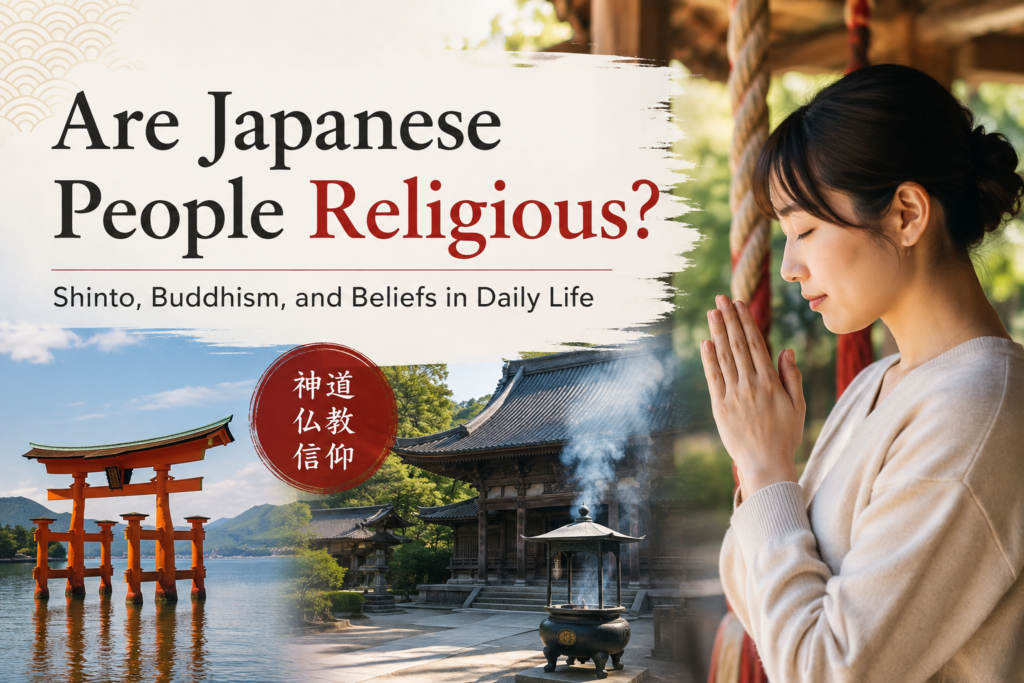
Are Japanese People Religious? Belief, Identity, and Custom
Learn why religious identity, personal belief, and everyday customs do not always align in Japan, from shrine visits and Buddhist memorial rites to family traditions and seasonal observances. -
Japanese Language
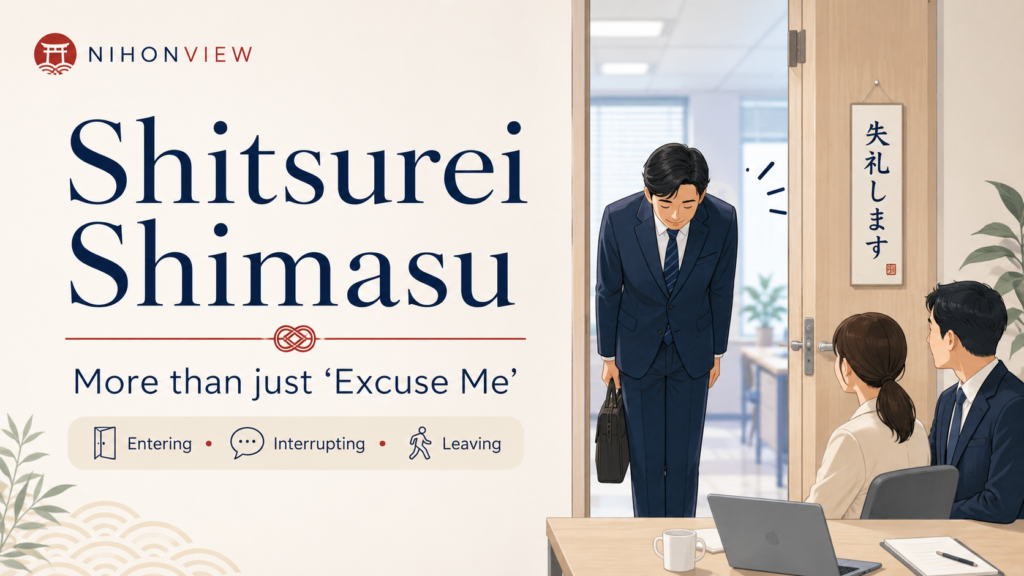
What Does Shitsurei Shimasu Really Mean in Japanese?
Learn why shitsurei shimasu means more than “excuse me,” and how Japanese speakers use it when entering, leaving, interrupting, or politely affecting another person’s space and attention. -
Japanese Language
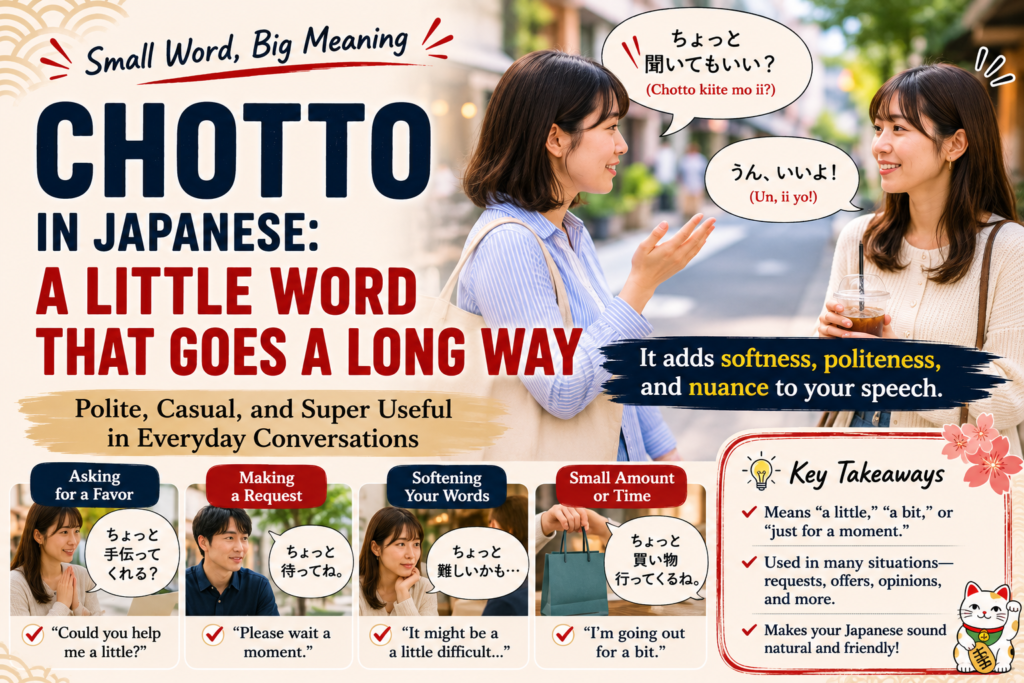
Does Chotto Mean No? Understanding Japanese Refusals
Learn why chotto can imply a polite refusal without literally meaning “no,” how Japanese listeners interpret tone, pauses, and unfinished sentences, and when learners should use a clearer response. -
Japanese Language
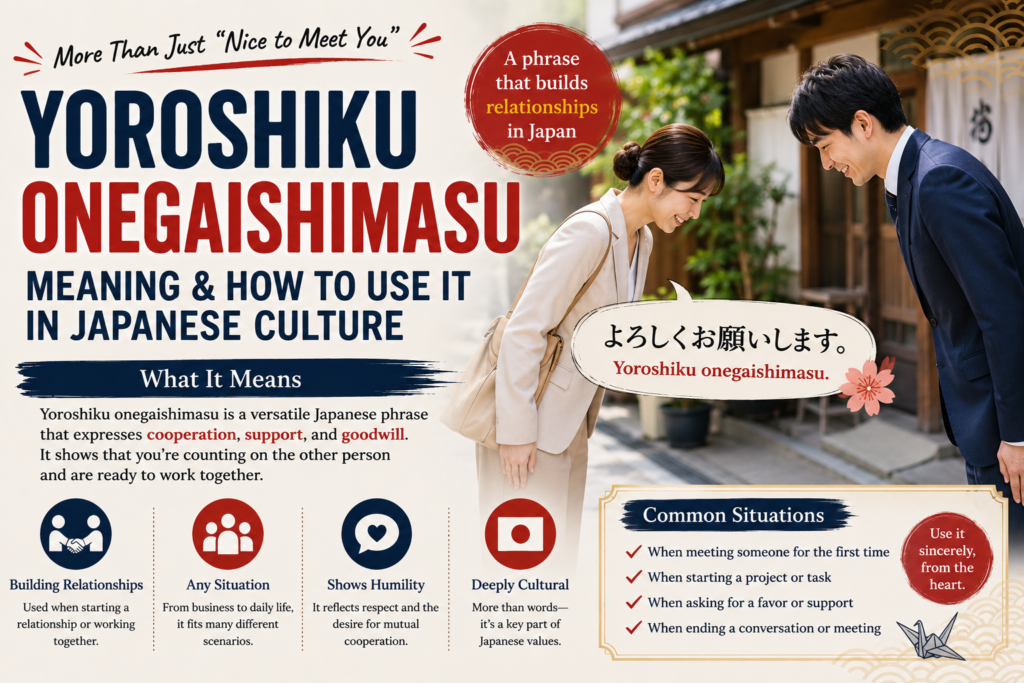
What Does Yoroshiku Onegaishimasu Really Mean?
Learn how yoroshiku onegaishimasu changes with context, from introductions and requests to workplace cooperation, and how to choose natural English based on what is expected to happen next. -
Japanese Culture
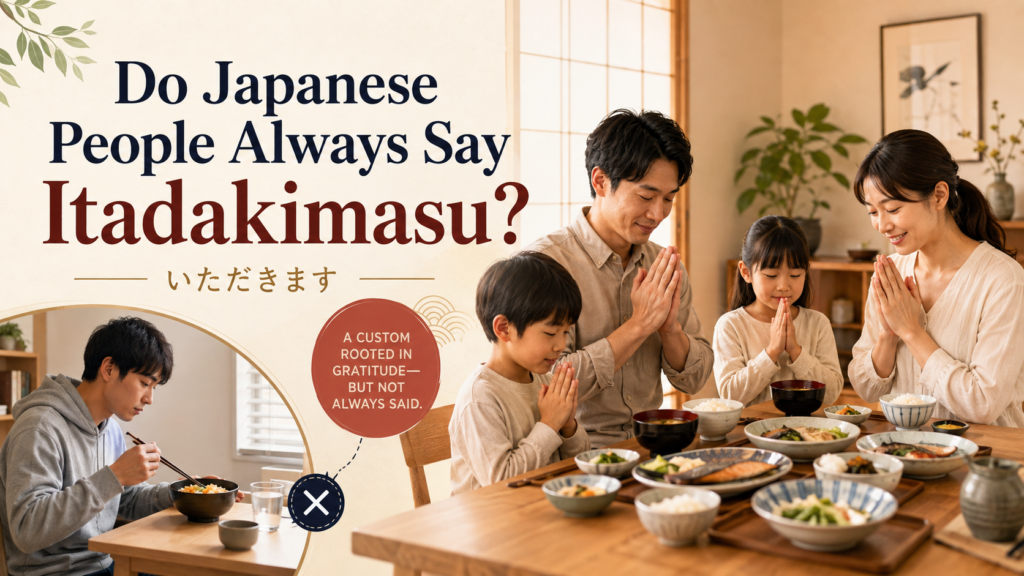
Do Japanese People Always Say Itadakimasu Before Eating?
Learn when Japanese people say itadakimasu, why they may skip it when eating alone, how shared meals shape its use, and why “thank you for the food” is an incomplete translation. -
Japanese Language
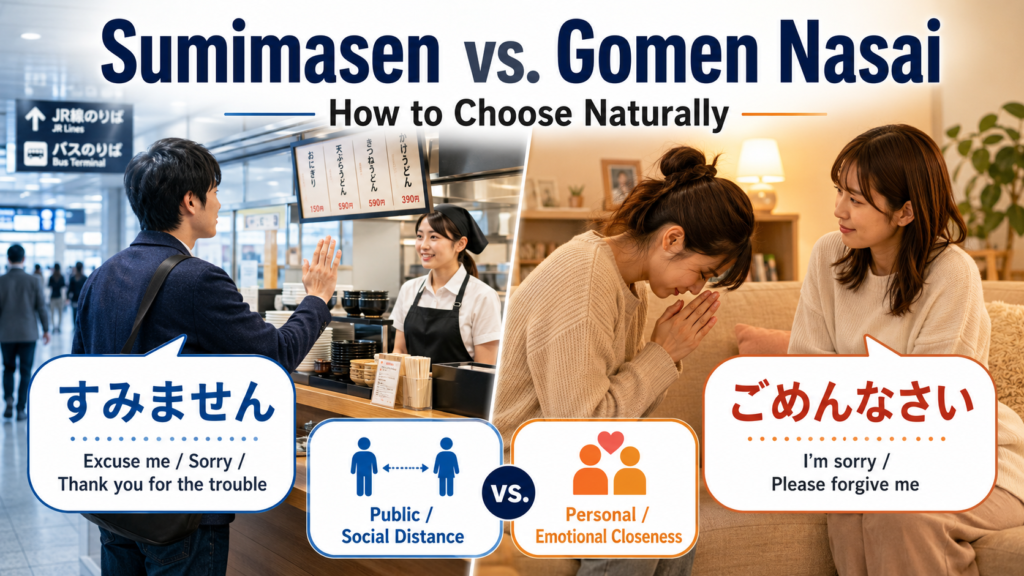
Sumimasen vs Gomen Nasai: How to Choose Naturally
Learn how Japanese speakers choose between sumimasen and gomen nasai by considering social distance, personal fault, inconvenience, gratitude, and workplace formality rather than translating both simply as “sorry.” -
Japanese Culture
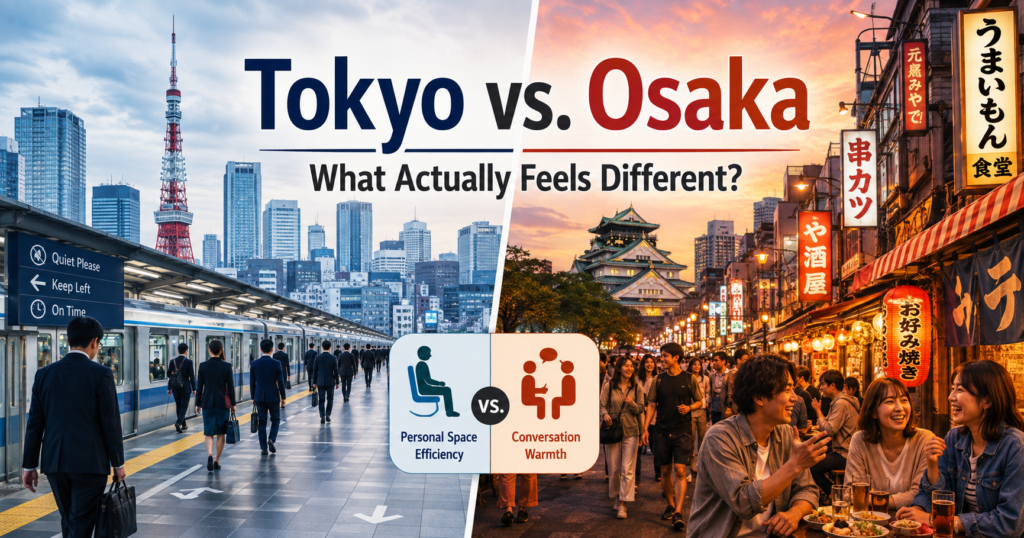
Tokyo vs. Osaka: What Actually Feels Different?
Explore, from a Japanese perspective, how Tokyo and Osaka differ in social distance, communication, service, transportation, and local identity, with practical guidance for travelers and prospective residents. -
Daily Life in Japan
Do You Tip in Japan? Why the Answer Is Usually No
Learn why tipping is usually unnecessary in Japan, how customers understand price and service, and what visitors should know about service charges, cover fees, and other exceptions. -
Japanese Language
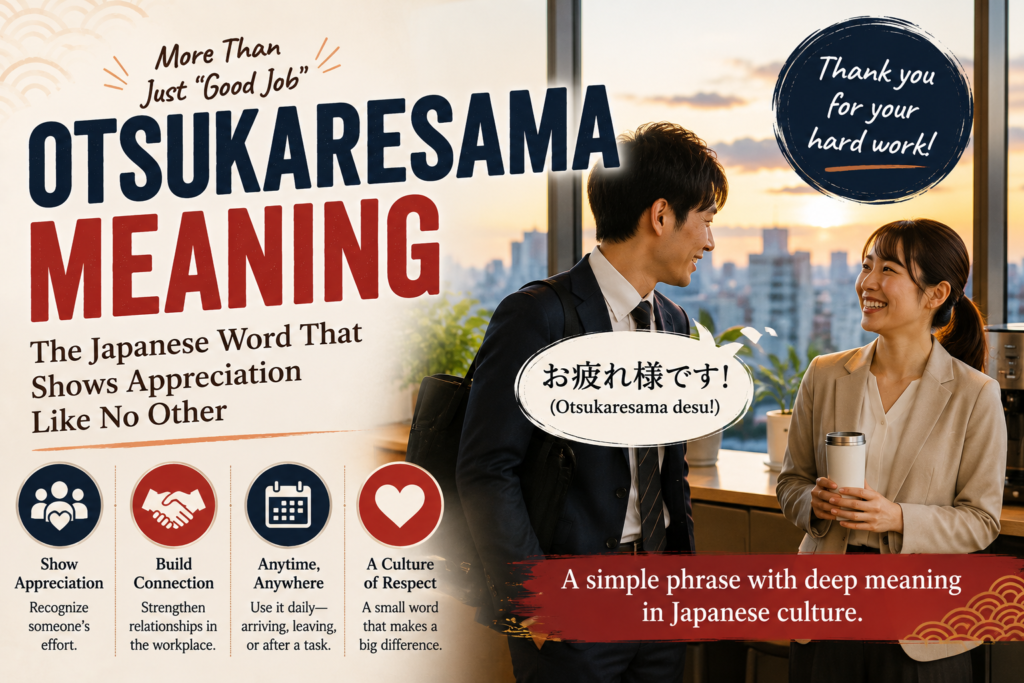
What Does Otsukaresama Mean in Japanese Workplaces?
Learn how otsukaresama functions in Japanese workplaces—as a greeting, acknowledgment, conversational opener, or farewell—and why the best English translation depends on the situation. -
Daily Life in Japan
Why Japanese Homes Can Feel Small to Americans
Learn how room dimensions, storage, floor plans, and learned expectations make some Japanese homes feel compact to Americans—and why Tokyo apartments do not represent housing across Japan.